Sydney’s warm summers, coastal humidity, and increasing reliance on air conditioning mean one thing for homeowners — air conditioners get dirty faster than you think. Many people only notice a problem when cooling performance drops or unpleasant smells appear, but by then, internal contamination is often already advanced.
If you live in Sydney and your air conditioner isn’t cooling properly, smells musty, or is triggering allergies, immediate professional air conditioner cleaning may be required. Ignoring early warning signs can lead to higher energy bills, health issues, and costly breakdowns — especially during peak summer.
This guide covers the key signs your air conditioner needs urgent cleaning, why Sydney homes are particularly affected, and how professional cleaning restores performance, efficiency, and indoor air quality.
Why Air Conditioners Get Dirty Quickly in Sydney
Sydney’s climate creates ideal conditions for dirt, dust, and mould buildup inside air conditioners.
Contributing factors include:
- Warm summers with heavy air con usage
- Coastal humidity and salt air
- High-density living (apartments and units)
- Dust, pollen, and pollution
- Condensation forming inside indoor units
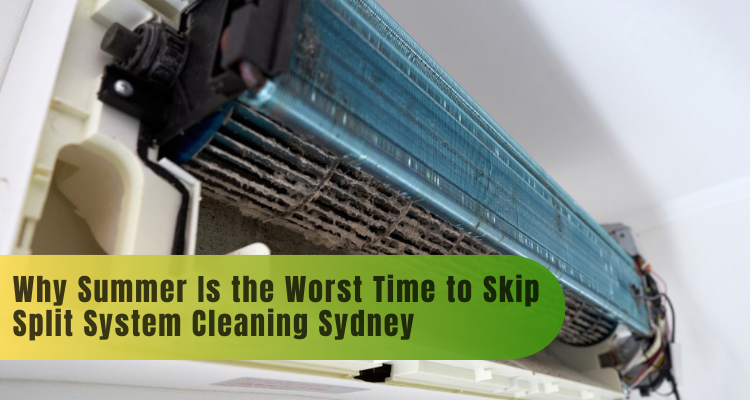
When warm air passes over cold evaporator coils, moisture forms inside the system. If internal components aren’t cleaned regularly, that moisture traps dust and airborne particles, leading to mould, bacteria, and reduced airflow.
Sign 1: Musty or Mouldy Smell When the AC Turns On
One of the clearest warning signs is a musty, damp, or mouldy smell when your air conditioner starts.
What it means:
- Mould or mildew is growing inside the unit
- Moisture is trapped in the fan barrel or coils
- Drain tray or drain line may be blocked
This smell is common in Sydney homes, especially in coastal suburbs and apartments with limited ventilation. Sprays or filter cleaning rarely fix the issue — because the mould is usually deep inside the system.
Sign 2: Weak or Uneven Airflow
If cool air isn’t flowing as strongly as it used to, cleaning may be urgently needed.
Common causes:
- Dust buildup on the fan barrel
- Blocked evaporator coils
- Clogged filters restricting airflow
Poor airflow forces the system to run longer to cool the same space, increasing wear and electricity costs — a major issue during Sydney summers.
Sign 3: Air Conditioner Takes Longer to Cool Rooms
An air conditioner that runs continuously but struggles to cool is often dirty rather than faulty.
Why this happens:
- Dirty coils can’t absorb heat efficiently
- Restricted airflow reduces cooling output
- The system works harder to reach set temperature
Many Sydney homeowners mistakenly assume the unit is “old” or “failing”, when professional cleaning alone can restore performance.
Sign 4: Rising Power Bills Without Increased Usage
If your electricity bills have increased but usage habits haven’t changed, your air conditioner may be the culprit.
Dirty air conditioners:
- Use more electricity per cooling cycle
- Run longer to maintain temperature
- Operate less efficiently under load
Professional air conditioner cleaning often leads to noticeable reductions in power consumption, especially during summer.
Sign 5: Allergy, Asthma, or Respiratory Symptoms
Air conditioners circulate the same indoor air repeatedly. If the system is dirty, it can spread dust, mould spores, and bacteria throughout your home.
Health symptoms linked to dirty air conditioners:
- Sneezing or coughing when AC is running
- Asthma flare-ups
- Sinus congestion
- Headaches or fatigue
- Irritated eyes or throat
Children, elderly residents, and allergy sufferers are particularly affected. In Sydney homes where air conditioners are used daily, poor indoor air quality becomes a serious concern.
Sign 6: Visible Dust or Mould on Vents or Filters
While mould often hides inside the unit, visible contamination is a clear red flag.
What to look for:
- Black or green spots on vents
- Heavy dust behind filters
- Sticky residue or damp patches
If you can see mould or heavy dirt externally, internal components are usually far worse.
Sign 7: Water Leaks or Excess Condensation
Air conditioners naturally produce condensation, but leaks are not normal.
Common cleaning-related causes:
- Blocked drain lines from dirt or mould
- Overflowing drain trays
- Excess internal moisture buildup
In Sydney’s humid conditions, blocked drainage can quickly lead to water damage and mould spread inside walls or ceilings.
Why Immediate Cleaning Matters in Sydney
Delaying air conditioner cleaning can lead to more serious problems.
Risks of ignoring warning signs:
- Complete loss of cooling during heatwaves
- Higher repair or replacement costs
- Shortened system lifespan
- Increased health risks
- Emergency breakdowns during peak summer
Sydney’s hot summers mean air conditioners are often pushed to their limits — dirty systems fail faster.
What Professional Air Conditioner Cleaning Includes
Professional air con cleaning goes far beyond basic filter washing.
A professional service typically includes:
- Disassembly of the indoor unit
- Deep cleaning of evaporator coils
- Fan barrel and blower cleaning
- Drain tray and drain line flushing
- Anti-bacterial and anti-mould treatment
- Safe pressure or chemical washing
- System testing and airflow checks
This process removes hidden contamination and restores system performance.
How Often Should Air Conditioners Be Cleaned in Sydney?
Sydney homes require regular cleaning due to climate and usage patterns.
Recommended cleaning frequency:
1. Every 12 months for most homes
2. Every 6–9 months for:
- Coastal suburbs
- Apartments
- Homes with pets
- Allergy or asthma sufferers
- Rental properties
Waiting until problems appear often means contamination is already advanced.
DIY Cleaning vs Professional Cleaning
DIY Cleaning Can:
- Improve basic airflow
- Remove surface dust from filters
DIY Cleaning Cannot:
- Remove mould from fan barrels
- Clean evaporator coils thoroughly
- Flush drain lines safely
- Restore full cooling efficiency
Professional cleaning targets the core components responsible for cooling and air quality.
Air Conditioner Cleaning for Sydney Apartments & Rentals
Apartment living is common across Sydney, and air conditioners often run in enclosed spaces.
Benefits of professional cleaning:
- Improved airflow in small spaces
- Reduced mould risk
- Better compliance for rentals
- Fewer tenant complaints
End-of-lease air conditioner cleaning is also commonly required in Sydney rental agreements.
Best Time to Book Air Conditioner Cleaning in Sydney
Timing matters, especially during peak demand.
Best times to book:
- Spring (September–October) before summer
- Early summer before heatwaves
- Immediately when warning signs appear
Booking early avoids delays and ensures optimal performance when temperatures rise.
FAQs: Air Conditioner Cleaning Sydney
How much does air conditioner cleaning cost in Sydney?
Costs vary by system type and condition, but professional cleaning is far cheaper than repairs or replacement.
Can cleaning fix poor cooling?
Yes, if dirt and airflow restriction are the cause — which is very common.
Is mould inside air conditioners dangerous?
Yes. Long-term exposure can worsen respiratory conditions and allergies.
How long does professional cleaning take?
Typically 1–2 hours per unit, depending on contamination level.
Will cleaning damage my air conditioner?
No. Proper cleaning improves performance and extends lifespan.
Final Words
Don’t Ignore the Warning Signs
If your air conditioner smells, struggles to cool, or affects your health, immediate professional cleaning is often the solution. Sydney’s climate and lifestyle place heavy demands on air conditioning systems, making regular cleaning essential — not optional.
