

Most Sydney homeowners don’t think about their air conditioner filter until something goes wrong — the system stops cooling properly, energy bills spike for no obvious reason, or the air starts smelling a bit off. The truth is, something as simple as a dirty filter is usually behind all three.
This guide tells you exactly how often you should replace your air conditioner filter, what happens when you don’t, and why Sydney conditions mean you might need to do it more often than you think.
What Does Your AC Filter Actually Do?
Your AC filter is the first line of defence against everything floating in the air inside your home — dust, pollen, pet dander, mould spores, bacteria, and fine particles.
It sits between the return air intake and the internal components of your system, catching those particles before they get pulled into the unit itself.
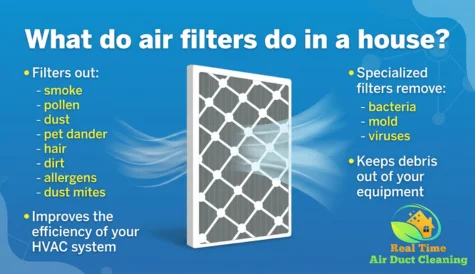
But it’s not just about air quality. A clean filter allows air to move freely through your system.
When it gets clogged, airflow becomes restricted — and that’s where the real trouble starts. Your system strains harder, uses more energy, and puts stress on components not designed to work under that pressure.
Your AC filter protects two things at once: the air you breathe and the internal components of your system. Neglecting it hurts both.
How Often Should You Replace Your Air Conditioner Filter in Sydney?
This is the question most Sydney homeowners want a straight answer to. The honest reply is: it depends on your household — but here are clear, practical guidelines you can actually use.
| Household Type | Recommended Frequency |
| Home with multiple pets | Every 1–2 months |
| Allergy or asthma sufferers | Every 20–45 days |
| Family home with kids | Every 2–3 months |
| Average Sydney household | Every 2–4 months |
| Single person, minimal use | Every 3–6 months |
| Vacation or holiday home | Every 9–12 months |
The key takeaway: every 2–4 months works well for most Sydney homes, but you should check it visually every month and trust what you see. If the filter looks grey and clogged, it doesn’t matter if it’s only been six weeks — replace it.
During Sydney’s peak summer months (December through February), your AC runs far more hours per day. Consider bumping your replacement schedule forward by 2–3 weeks during this period to keep performance strong through the hottest stretch of the year.
Filter Types and Their Replacement Schedules
Not all AC filters are the same, and the type you’re using directly affects how often it needs to be changed. Here’s a breakdown of the most common filter types you’ll find in Australian homes:
| Filter Type | Replace / Clean | Best For |
| Fibreglass (Basic) | Every 1–2 months | Affordable, common. Less surface area — clogs faster. Not ideal for allergy sufferers. |
| Pleated Filter | Every 2–3 months | Better filtration, more surface area. Great for Sydney family homes with pets or kids. |
| HEPA Filter | Every 2–4 months | Captures 99.97% of particles. Best for asthma, babies, or respiratory conditions. |
| Washable / Reusable | Clean monthly | Eco-friendly and cost-effective long term. Must be washed consistently to stay effective. |
When buying a replacement filter in Sydney, always check the MERV rating — that’s the Minimum Efficiency Reporting Value used in Australia to measure how effectively a filter captures particles. For most homes, MERV 6–8 covers general dust and lint. If you have pets or allergies, go for MERV 9–12 for noticeably better filtration.
Important
Always replace with the exact size and type recommended for your specific system. A filter that’s too small leaves gaps; one with too high a MERV rating for your unit can restrict airflow just as badly as a dirty filter. Check your system manual or the existing filter for correct specs.
The Real Impact of Not Changing Your Filter
Skipping regular filter replacements isn’t just a minor inconvenience. It creates a domino effect that hits your comfort, your health, and your wallet all at once.
1. Your Energy Bills Go Up
When a filter is clogged, your system has to work significantly harder to push the same amount of air through. Regular air filter replacement can reduce your energy bill by up to 15%.
That’s not a small number — especially during a Sydney summer when your AC might be running eight or more hours a day.
2. Your System’s Lifespan Shortens
Restricted airflow puts extra strain on the blower motor and compressor — the two most expensive components in your system. Over time, that ongoing stress leads to premature wear, component failure, and costly repairs that could have been avoided with a simple filter change every couple of months.
4. Indoor Air Quality Suffers
Once a filter is full, it stops doing its job properly. Your blower fan starts bringing in air around the filter where there’s less resistance — meaning contaminants continue to circulate through your home.
For Sydney homes with allergy sufferers, young children, or anyone with a respiratory condition, this is a genuine health risk.
5. Evaporator Coil Damage
Dust that bypasses a saturated filter can coat the evaporator coil. Once the coil gets dirty, heat transfer efficiency drops sharply — your system cools less effectively and the coil can eventually freeze over.
Coil cleaning is not a DIY job and is one of the more expensive service calls a Sydney technician can make.
What a dirty, unchanged filter actually causes:
- Higher electricity bills every month the filter is left unchanged
- Reduced cooling and heating performance across your home
- Allergens, mould spores, and bacteria recirculating through every room
- Premature compressor and motor failure leading to expensive repairs
- Evaporator coil icing or fouling requiring professional service
Signs Your AC Filter Needs Replacing Right Now
Don’t wait for your calendar reminder if your system is already showing you warning signs. Here’s what to watch for:
- Weaker airflow from vents — rooms take noticeably longer to cool or heat
- Your AC runs longer cycles to reach the set temperature
- Electricity bills are creeping up without any change in usage habits
- Dusty or stale smell when the system first kicks on
- Visible dust or grey coating on the return air grille or ceiling vents
- Allergy or asthma symptoms are worse indoors than they used to be
- You hold the filter up to light and can’t see through it at all
Set a recurring monthly phone reminder to do a 30-second visual check on your filter. You don’t have to replace it every month — but checking it keeps you aware of how quickly it’s filling up and prevents you from ever going too long without action.
Sydney-Specific Factors That Affect Replacement Frequency
Sydney isn’t just any city when it comes to air quality and AC use. Several local factors mean you might genuinely need to replace your filter more often than standard national guidance suggests.
1. Coastal Salt Air
Suburbs close to Sydney Harbour, Bondi, Manly, Cronulla, and other coastal areas are exposed to fine salt particles carried in the sea breeze. These particles accelerate filter clogging and can contribute to corrosion inside the unit. If you’re within a few kilometres of the coast, check your filter more frequently.
2. Sydney Bushfire Smoke Season
If your unit has been running constantly during a Sydney bushfire season, the standard 3-month guideline may shrink to 1 month. Smoke particles are extremely fine and saturate filters quickly.
During any smoke event in greater Sydney, check your filter within two weeks of the event clearing.
3. High-Use Summer Months
Sydney summers regularly push past 35°C. During these months, most households run their ducted or reverse cycle systems for significantly more hours per day.
More runtime means more air cycling through the filter, which means it fills faster. Plan for at least one extra replacement during summer.
4. Pets and Sydney’s Outdoor Lifestyle
Sydney’s outdoor-focused lifestyle means doors and windows are opened frequently, bringing in more pollen, dust, and outside air. Homes with pets that go in and out regularly will see their filter load increase faster than households with indoor-only pets.
Frequently Asked Questions AC Filter Replacement
1. Can I just clean my AC filter instead of replacing it?
It depends on the filter type.
Washable or reusable filters are designed to be cleaned monthly. However, standard disposable fibreglass or pleated filters should be replaced — washing them damages the filter media and reduces their effectiveness.
2. Does a higher MERV rating mean I replace the filter less often?
Not necessarily.
A higher MERV filter captures more particles, which means it can actually fill up faster in a dusty environment. However, thicker high-MERV filters have more surface area, which balances this out.
Always follow the manufacturer’s recommended replacement interval.
3. Is replacing my AC filter something I can do myself in Sydney?
Yes, absolutely. For most residential split systems and ducted AC units, filter replacement is a straightforward DIY task.
Turn the system off, locate the filter, slide the old one out, and slide the new one in. No tools or technical knowledge required.
4. Will changing my filter more often really lower my energy bills?
Yes — and the savings are meaningful. A clogged filter forces your system’s blower to work harder against restricted airflow, consuming more electricity for the same result.
Keeping a clean filter is one of the cheapest ways to trim your energy bills, especially during high-use Sydney summer months.
Conclusion
For the average Sydney household, replacing your AC filter every 2–3 months during summer and every 3–4 months during the cooler months is a solid, practical schedule. Adjust based on your home’s specific conditions.
Replacing your AC filter regularly is one of the lowest-effort, highest-impact maintenance habits a Sydney homeowner can build. Set your reminder, check it monthly, and replace it on schedule — your system, your wallet, and your indoor air quality will all thank you.
