
If you’ve ever stood in the air conditioning aisle at Bunnings, staring at a wall of air filters and wondering which one is actually worth buying — you’re not alone.
The question of reusable vs disposable air filter comes up constantly among Sydney homeowners. And honestly, there’s no single answer that works for every household.
What works brilliantly for a single-person apartment in Newtown might be completely wrong for a family of five in Parramatta with two dogs and a kid with asthma. The right choice depends on your lifestyle, your health, your household, and — yes — Sydney’s specific air quality conditions.
This guide breaks it all down clearly, without the jargon, so you can make the right call for your home.
What Is an Air Filter and Why Does It Matter in Sydney?
The Role of an Air Filter in Your HVAC System
Your air filter sits between the return air intake and the internal components of your HVAC or ducted air conditioning system. Every bit of air that gets cooled or heated in your home first passes through it.
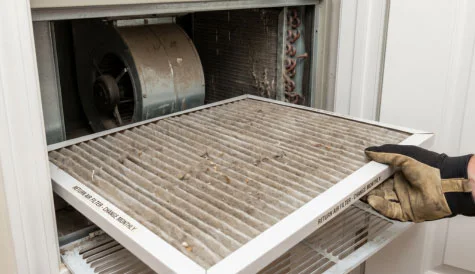
Its job is to trap airborne particles — dust, pollen, pet dander, mould spores, bacteria — before they get pulled into your system and recirculated through your home.
Without a working filter, those particles coat your evaporator coil, restrict airflow, and end up in the air you breathe every single day.
Why Sydney Homes Have Unique Air Quality Challenges
Sydney’s air quality throws a pretty diverse range of problems at residential HVAC systems. Understanding what you’re actually filtering out helps you choose the right type of filter.
Sydney’s climate brings high pollen counts in spring, coastal humidity that encourages mould growth, and urban pollution — all contributing to poor indoor air quality in Sydney homes.
Urban pollution from traffic emissions, construction dust, and industrial activities creates a constant barrage of particulate matter that seeps into Sydney homes.
On top of that, Sydney’s coastal air carries fine salt particles and humidity that can accelerate dust and mould build-up in AC filters — especially in suburbs close to the harbour or beaches. This means Sydney homes may need more frequent filter maintenance than the national average.
Whether you’re in the Inner West, the Northern Beaches, Western Sydney, or the Hills District — your air filter is working hard every single day.
Understanding MERV Ratings — What They Mean for You
What Is a MERV Rating?
Before you can confidently choose between a washable air filter and a disposable HVAC filter, you need to understand the MERV scale. It sounds technical, but it’s actually pretty simple.
MERV stands for Minimum Efficiency Reporting Value. It measures how effectively a filter captures airborne particles — the higher the number, the finer the particles it traps.
When buying a replacement filter in Sydney, the MERV rating tells you how effectively a filter captures particles. For most homes, MERV 6–8 covers general dust and lint. If you have pets or allergies, MERV 9–12 provides noticeably better filtration.
MERV Ratings at a Glance
Here’s a simple breakdown of what different MERV levels actually capture:
| MERV Rating | What It Captures | Best For |
| MERV 1–4 | Large dust, lint, carpet fibres | Basic HVAC protection only |
| MERV 5–8 | Dust mites, mould spores, pet dander | Most standard Sydney homes |
| MERV 9–12 | Fine dust, bacteria, smoke particles | Allergy and asthma households |
| MERV 13–16 | Bacteria, virus carriers, fine PM2.5 | Medical-grade or high-sensitivity needs |
Why MERV Rating Is the Most Important Factor
A reusable filter and a disposable filter with the same MERV rating can work equally well — the choice ultimately comes down to other practical factors like price, maintenance, and your household’s health needs.
This is the key insight most filter guides miss entirely. The filter type matters less than the MERV rating you choose.
All About Reusable (Washable) Air Filters
What Is a Reusable Air Filter?
A washable air filter — also called a permanent air filter or reusable electrostatic filter — is designed to be cleaned and reinstalled rather than thrown away.
Washable air filters are constructed using durable materials including synthetic fibres, aluminium mesh, or both. With proper cleaning and maintenance, washable air filters can last 5–10 years.
They work using static electricity to attract and trap airborne particles as air passes through the filter media.

The Genuine Advantages of Washable Filters
1. Long-Term Environmental Benefit
A single washable HVAC filter replaces 20 to 60 disposable filters over its lifespan. Typical disposable filters are made of fibreglass, cardboard, and metal — fiberglass is non-biodegradable, and separating the materials is time-consuming for recycling centres.
For Sydney homeowners who want to reduce landfill waste, a permanent air filter is the clear winner from a sustainability perspective.
2. Lower Long-Term Running Costs
While the upfront cost of a washable filter is typically higher than disposable alternatives, it pays itself off over time. You won’t need to purchase washable filters very often, so the long-term cost will likely be equal to or lower than that of buying disposable filters regularly.
3. Convenience of Not Running Out
If you have a hard-to-find filter size, buying in bulk or tracking down the right replacement every few months can be genuinely frustrating. Switching to a washable filter eliminates that recurring inconvenience entirely.
This is a real advantage for Sydney homeowners with older ducted systems where non-standard filter sizes aren’t always on the shelf at the local hardware store.
The Real Limitations of Reusable Filters
1. Lower Filtration Efficiency — The Critical Trade-Off
This is the big one. Unlike disposable filters, washable filters are only good at catching large particles.
They can’t filter smaller particles such as pet dander, smoke, viruses, mould spores, and bacteria.
Washable electrostatic furnace filters usually come with a MERV rating of 1 to 4. If you have asthma, allergies, or a chronic lung condition, the higher filtration available from disposable filters may outweigh the benefits of washable versions.
Given that Australia has the third highest prevalence of asthma in the world, this is a significant consideration for many Sydney households.
2. Mould Risk When Improperly Dried
If the filter is not dried completely before being reinstalled, moisture can lead to mould and mildew growth. This can then circulate throughout your home, seriously compromising your indoor air quality.
In Sydney’s humid coastal climate — particularly in summer — this risk is very real. A reusable filter that gets reinstalled even slightly damp can quickly become a mould source inside your HVAC system.
3. Declining Performance Over Time
According to industry research, the filtration efficiency of washable filters can decrease over time with each wash. The electrostatic charge that helps trap particles weakens, making them less effective as they age.
4. Monthly Cleaning Commitment
A reusable filter needs a monthly washing. You’ll need to disassemble it, clean each layer, and spray it down outside so that all those particles aren’t expelled into your home’s air.
It must thoroughly dry before reinstallation — even the slightest bit of moisture can attract mould and mildew. This is a meaningful time commitment, especially for busy Sydney households.
Disposable Air Filters — What You Need to Know
What Is a Disposable HVAC Filter?
A disposable aircon filter replacement is designed for single use. You install it, let it do its job for 30 to 90 days, and then swap it out for a fresh one.

Disposable air filters are typically made of polyester, fibreglass, or other synthetics. They can trap up to 95 per cent of tiny particles, including bacteria, mould spores, and pet dander.
They’re the most common type of filter used in residential split systems and ducted air conditioning across Sydney.
Why Disposable Filters Outperform on Air Quality
1. Higher MERV Ratings Available
Disposable filters are available in a wide range of MERV ratings, including the highly recommended MERV 8–13 range. This makes them far better at capturing allergens and improving indoor air quality compared to most washable alternatives.
For the majority of Sydney homes — where pollen, dust mites, coastal humidity, and urban pollution are everyday realities — this matters enormously.
2. Better for Allergy and Asthma Sufferers
The higher MERV rating of disposable filters makes them the go-to recommendation for anyone dealing with respiratory sensitivities.
Washable or reusable filters are designed to be cleaned monthly. However, standard disposable fibreglass or pleated filters should be replaced — washing them damages the filter media and reduces their effectiveness.
3. Pleated Filters Offer the Best Balance
Pleated filter designs create a larger surface area, allowing the filter to capture more particles without hindering airflow. This strikes the best balance between filtration efficiency, protecting your HVAC system, and keeping the system running smoothly.
A pleated disposable HVAC filter in the MERV 8–10 range is genuinely the sweet spot for most Sydney homes.
The Limitations of Disposable Filters
1. Ongoing Replacement Requirement
Disposable filters must be replaced about every two to three months, which adds up to an ongoing annual expense. This recurring cost is the most common reason Sydney homeowners consider switching to a best washable aircon filter instead.
2. Environmental Impact
Disposing of filters every few months contributes more to landfills compared to a single reusable filter used for years. For households with genuine sustainability goals, this is a legitimate drawback worth weighing up.
Head-to-Head Comparison Between Reusable vs Disposable Air Filter
Side-by-Side Feature Breakdown
| Feature | Reusable (Washable) Filter | Disposable HVAC Filter |
| Initial Cost | Higher upfront investment | Lower upfront purchase |
| Long-Term Cost | Lower over 5–10 years | Higher due to regular replacement |
| MERV Rating Range | Typically MERV 1–4 | MERV 4–13+ available |
| Allergy Suitability | Poor to moderate | Good to excellent |
| Asthma Suitability | Not recommended | Recommended (MERV 8+) |
| Maintenance | Monthly wash and full dry | Replace every 1–3 months |
| Mould Risk | Yes (if not dried fully) | Minimal |
| Sustainability | High (less landfill waste) | Lower (regular disposal) |
| Lifespan | 5–10 years | 30–90 days per filter |
| Best For | Low-allergy, sustainability-focused homes | Homes with pets, allergies, asthma |
Note: MERV ratings measure how effectively a filter stops dust, pollen, and airborne particles from passing through it.
Which Air Filter Is Better for Sydney Homeowners?
1. If You Have Allergies or Asthma — Go Disposable
With 11 per cent of Australians — approximately 2.8 million people — living with long-term asthma, respiratory health has become a national priority.
For Sydney households dealing with hay fever, dust mite allergies, pet dander sensitivity, or asthma, a high-quality disposable HVAC filter with a MERV 8–12 rating is the clear recommendation. The superior air filtration performance genuinely makes a difference to daily comfort and health.
2. If You Have Pets — Go Disposable
Pet hair and dander are some of the most common indoor air pollutants in Australian homes. A washable air filter simply doesn’t have the filtration efficiency to capture fine pet dander effectively.
A pleated disposable aircon filter replacement rated MERV 9–11 is the best washable aircon filter alternative for pet owners — it traps fine particles without restricting airflow.
3. If You’re Sustainability-Focused With No Allergies — Consider Washable
If you own a property with multiple systems, want to reduce waste, and no one in the household suffers from allergies or a compromised immune system, a permanent air filter is a genuinely cost-effective and eco-friendly choice.
Just be disciplined about monthly cleaning and — critically — full drying before reinstallation.
4. If You Rent or Move Frequently — Go Disposable
If you rent or move frequently, disposable filters work better because there’s less of a commitment and more flexibility. A disposable HVAC filter Australia-wide is the practical, low-fuss option when you’re not investing long-term in a fixed system.
Key Maintenance Tips for Both Filter Types in Sydney
Maintaining a Washable Air Filter in Sydney
Monthly Cleaning Process
- Turn off your HVAC or aircon system completely before removing the filter
- Take the filter outside — never shake or rinse it indoors
- Vacuum loose dust first, then rinse under warm running water
- Use a mild dish soap for greasy or heavy build-up, then rinse thoroughly
- Allow the filter to dry completely in the shade — never reinstall it damp
- In humid Sydney summers, allow extra drying time before reinstalling
Drying Time Matters More Than Most People Think
You must let the filter fully dry before putting it back in place. If not, you run the risk of mould and mildew quickly starting to grow on it — and your HVAC system will then circulate mould spores everywhere.
In Sydney’s coastal humidity, this is genuinely important. When in doubt, leave it another hour.
Maintaining a Disposable Air Filter in Sydney
Replacement Schedule for Sydney Homes
Sydney’s outdoor-focused lifestyle means doors and windows are opened frequently, bringing in more pollen, dust, and outside air. Homes with pets that go in and out regularly will see their filter load increase faster than households with indoor-only pets.
As a practical guide for Sydney homes:
- Standard household, no pets — Replace every 60–90 days
- Pets or dusty environment — Replace every 30–45 days
- Allergy or asthma household — Replace every 20–30 days
- During high pollen season (September–November) — Check and replace more frequently
Never Wash a Disposable Filter
Standard disposable fibreglass or pleated filters should be replaced — washing them damages the filter media and reduces their effectiveness. It’s a common mistake and one that quietly destroys the filter’s ability to do its job.
Frequently Asked Questions HVAC Filter In Sydney
1. How often should I replace my disposable aircon filter in Sydney?
For most Sydney homes, every 60 to 90 days is sufficient. Households with pets, allergy sufferers, or homes near busy roads or bushland should replace more frequently — every 30 to 45 days during heavy-use periods.
2. Is a reusable air filter really better for the environment?
Yes — when used correctly, a single permanent air filter replacing dozens of disposable ones over 5–10 years is genuinely better for landfill waste. The environmental benefit only holds if the filter is properly maintained and lasts its full lifespan.
3. What MERV rating do I need for a Sydney home with a dog or cat?
For pet owners in Sydney, a disposable pleated filter rated MERV 9–11 is the best option. It captures fine pet dander, hair particles, and the additional dust that pets bring in — without restricting airflow through your HVAC system.
4. Why does my filter get dirty faster in summer in Sydney?
Sydney’s dry northerly and westerly winds in summer carry higher dust and pollen loads.
Combined with the fact that most households run their air conditioning more frequently in summer — pulling more air through the filter — it’s completely normal for filter load to increase significantly between November and March.
Conclusion
The reusable vs disposable air filter debate doesn’t have one universal winner — it has a right answer for your specific household.
For most Sydney homes — particularly those with allergy sufferers, asthma, pets, or anyone concerned about Sydney’s pollen and dust levels — a quality disposable HVAC filter with a MERV 8 to 12 rating delivers meaningfully better indoor air quality and is the safer, more effective choice.
For the sustainability-focused homeowner with no respiratory sensitivities, a washable air filter Australia-wide is a genuinely sound long-term choice — as long as the monthly cleaning and full drying routine is taken seriously.
Whatever you choose, the rule is simple: a clean filter, changed or washed on schedule, always outperforms a better filter that’s been neglected. Check it monthly, maintain it properly, and your indoor air quality — and your HVAC system — will thank you for it.
