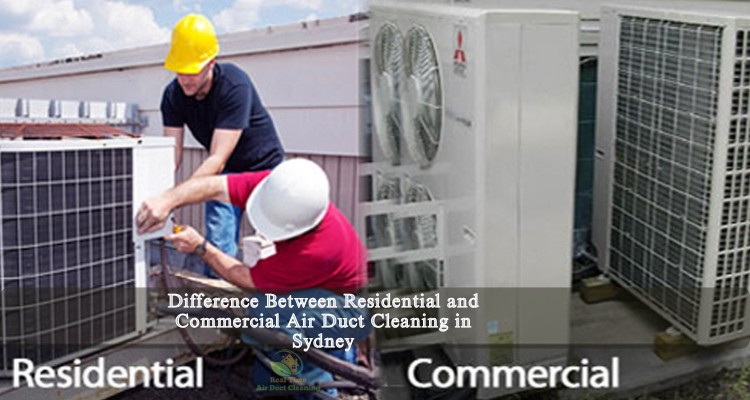
Maintaining clean air ducts is essential for both residential and commercial properties. Whether you live in a Sydney home or manage a commercial building, the quality of your air ducts directly impacts indoor air quality, HVAC efficiency, and overall comfort.
While air duct cleaning is important for all types of properties, there are significant differences between residential and commercial air duct cleaning in terms of process, equipment, scope, and cost. Understanding these differences ensures that your property receives the most effective cleaning service tailored to its needs.
In this comprehensive guide, we’ll explore the difference between residential and commercial air duct cleaning, highlight the unique requirements of each, and provide expert advice for Sydney property owners.
What Is Residential Air Duct Cleaning?
Residential air duct cleaning is specifically designed for homes, apartments, and small multi-unit properties. The primary goal is to improve indoor air quality, remove dust, allergens, and debris, and maintain the efficiency of household HVAC systems.
Key Characteristics of Residential Air Duct Cleaning:
1. Smaller HVAC Systems
Residential systems are typically smaller than commercial ones. They usually serve a single living space, making the cleaning process quicker and more straightforward.
2. Focus on Indoor Air Quality
Homeowners are primarily concerned with the health of their family members. Residential duct cleaning removes dust, pet dander, pollen, and other allergens.
3. Frequency
It is generally recommended to clean residential ducts every 3–5 years, or more frequently if there are pets, smokers, or allergy sufferers in the household.
4. Cleaning Equipment
Residential air duct cleaners use portable vacuum systems, rotary brushes, and HEPA filtration to safely remove contaminants without damaging the HVAC system.
5. Cost Considerations
Residential air duct cleaning tends to be more affordable than commercial cleaning due to smaller systems and less complex equipment requirements.
What Is Commercial Air Duct Cleaning?
Commercial air duct cleaning is designed for larger buildings, offices, warehouses, retail spaces, hospitals, and other commercial properties. These systems are often more complex and require specialised techniques to ensure complete and safe cleaning.
Key Characteristics of Commercial Air Duct Cleaning:
1. Larger, Complex HVAC Systems
Commercial HVAC systems often have multiple zones, high-capacity air handlers, and extended ductwork. Cleaning these systems requires specialised industrial-grade equipment.
2. Compliance and Safety Focus
Many commercial buildings must comply with health and safety regulations. Regular duct cleaning prevents the spread of airborne contaminants, reduces fire hazards, and ensures regulatory compliance.
3. Frequency
Commercial air duct cleaning is often recommended every 2–3 years, depending on building use, occupancy levels, and environmental conditions.
4. Industrial Cleaning Equipment
Large, truck-mounted vacuum systems, rotary brushes, and negative air pressure systems are used to handle heavy debris and ensure thorough cleaning.
5. Cost Considerations
Due to larger systems, extended ductwork, and regulatory requirements, commercial air duct cleaning typically costs more than residential cleaning.
Key Differences Between Residential and Commercial Air Duct Cleaning
To make it easier to understand, here’s a side-by-side comparison of residential and commercial air duct cleaning:
| Factor | Residential Air Duct Cleaning | Commercial Air Duct Cleaning |
| Property Type | Homes, apartments, townhouses | Offices, warehouses, retail spaces, hospitals |
| System Size | Small to medium | Large, complex, multi-zone |
| Cleaning Frequency | Every 3–5 years | Every 2–3 years |
| Equipment Used | Portable vacuums, HEPA filters, rotary brushes | Truck-mounted vacuums, industrial brushes, negative air pressure systems |
| Focus | Indoor air quality, health & comfort | Compliance, safety, efficiency |
| Time Required | Few hours | Several hours to multiple days |
| Cost | Moderate | Higher due to complexity |
| Regulations | Not usually regulated | Must comply with health & safety codes |
| Expertise Required | Standard professional training | Advanced training & certification |
Equipment and Techniques Used in Both Types
Air duct cleaning is not a one-size-fits-all service. The techniques and equipment differ depending on whether the property is residential or commercial.
Residential Techniques:
- Portable HEPA vacuums: Captures fine dust and allergens
- Rotary brushes: Loosen dust from duct walls
- Compressed air: Blows out debris
- Sanitisation (optional): Improves indoor air quality
Commercial Techniques:
- Truck-mounted vacuum systems: Handle large volumes of dust and debris
- Rotary brush machines: Remove stubborn buildup from long duct runs
- Negative air pressure systems: Ensure debris does not escape into the building
- Sanitisation and microbial control: Often mandatory for hospitals or food-handling facilities
Time, Cost, and Complexity Differences
The time and cost of air duct cleaning directly relate to the size and complexity of the system.
Residential:
- Cleaning time: 2–6 hours
- Cost: Moderate (depends on number of ducts and size of the home)
- Complexity: Low, standard HVAC systems
Commercial:
- Cleaning time: Several hours to multiple days (depends on building size)
- Cost: Higher due to labour, equipment, and regulatory compliance
- Complexity: High, multi-zone HVAC systems require skilled professionals
Benefits of Air Duct Cleaning
Regardless of property type, air duct cleaning has multiple benefits, which can be highlighted to attract potential Sydney clients.
Residential Benefits:
- Improved indoor air quality
- Reduced allergens and dust
- Enhanced HVAC efficiency
- Prolonged system lifespan
- Healthier home environment
Commercial Benefits:
- Regulatory compliance
- Improved air circulation and comfort
- Reduced risk of fire hazards
- Increased HVAC system efficiency
- Healthier environment for employees and customers
Why Professional Air Duct Cleaning Matters in Sydney
Sydney’s climate, dust levels, and urban environment make professional air duct cleaning essential. Attempting DIY cleaning or using untrained technicians can damage ducts, reduce HVAC efficiency, and compromise indoor air quality.
Professional services in Sydney provide:
- Trained technicians experienced with both residential and commercial systems
- Proper equipment suited for property size and duct complexity
- Safe handling of dust, allergens, and microbial contaminants
- Efficient cleaning that improves air quality and prolongs system life
By choosing professional air duct cleaners in Sydney, you’re ensuring your property receives the best care tailored to your specific needs.
Frequently Asked Questions About Residential and Commercial Air Duct Cleaning
1. Is commercial air duct cleaning more expensive than residential?
Yes, commercial air duct cleaning is typically more costly due to larger systems, longer duct runs, industrial equipment requirements, and regulatory compliance.
2. How often should residential air ducts be cleaned in Sydney?
Residential ducts should generally be cleaned every 3–5 years, or more frequently if you have pets, allergy sufferers, or smokers in your home.
3. How often should commercial air ducts be cleaned?
Commercial systems, depending on occupancy and use, should be cleaned every 2–3 years. High-traffic or industrial buildings may require more frequent cleaning.
4. Are residential and commercial air duct cleaning methods the same?
No. While both aim to remove dust and debris, commercial cleaning uses more advanced equipment and techniques to handle larger, complex systems.
5. Can I do air duct cleaning myself?
DIY cleaning is not recommended. Improper cleaning can damage ducts, reduce efficiency, and fail to remove allergens effectively. Professional services ensure safe and thorough cleaning.
6. What equipment is used in commercial air duct cleaning?
Commercial duct cleaning uses truck-mounted vacuum systems, industrial brushes, negative air pressure systems, and sanitisation equipment to handle large volumes of debris safely.
7. How does air duct cleaning improve indoor air quality?
Cleaning removes dust, allergens, pet dander, pollen, and microbial contaminants from ducts, allowing cleaner air to circulate and reducing respiratory and allergy issues.
Conclusion
Understanding the difference between residential and commercial air duct cleaning is crucial for Sydney property owners. Residential systems focus on improving indoor air quality and comfort, while commercial systems prioritise efficiency, safety, and compliance.
Both types of cleaning require professional expertise, but the techniques, equipment, and costs vary significantly.
