
Most of us assume that staying indoors keeps us safe from pollution. Close the windows, turn on the AC, and you’re protected — right?
Not quite.
The air inside your Sydney home could be two to five times more polluted than the air outside. And given that most Australians spend around 90% of their time indoors, the health effects of poor indoor air quality are far more significant than most people realise.
Australia’s “State of Indoor Air 2025” report — led by QUT researchers and analysing data from more than 2,500 buildings — found widespread health, wellbeing, and economic risks posed by poor indoor air quality across homes, workplaces, schools, hospitals and public buildings across the country.
The problem is real, it’s common, and for many Sydney households, it’s happening right now.
Why Sydney Homes Are Particularly Vulnerable
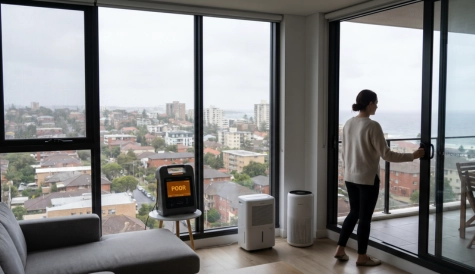
Sydney’s combination of coastal humidity, long summers, and increasingly airtight modern construction creates a perfect environment for indoor air pollutants to accumulate.
Modern homes are built tighter than ever for energy efficiency — which is great for power bills but terrible for air circulation. Every pollutant generated inside stays trapped unless someone actively ventilates it out.
In Australia, the pre-pandemic costs attributable to respiratory, neurological, and other symptoms and illnesses arising from exposure to hazardous gases and particles in the indoor environment were calculated above $12 billion per year — and that figure is almost certainly higher today.
“Inadequate management of indoor air quality may not be obvious — but the disastrous consequences certainly are.” — Professor Lidia Morawska, QUT
What Causes Poor Indoor Air Quality in Sydney Homes?
Before looking at what poor indoor air quality does to your health, it helps to understand where the pollutants actually come from.
1. Gas Cooking and Unflued Heaters
The Most Common and Most Underestimated Source
Gas cooktops produce nitrogen dioxide every time they’re used. In Sydney homes with small kitchens and inadequate ventilation, NO₂ levels during and after cooking routinely exceed WHO safety guidelines.
Unflued gas heaters — which vent combustion byproducts directly into the living space rather than outside — are particularly problematic.
They release nitrogen dioxide, carbon monoxide, and fine particulate matter into the air that families breathe throughout winter.

2. Volatile Organic Compounds From Building Materials
The Invisible Chemical Load in Every Sydney Home

VOCs off-gas from a surprisingly wide range of everyday materials:
- New furniture, carpets, and engineered flooring
- Paints, varnishes, and adhesives
- Cleaning products and air fresheners
- Dry-cleaned clothing and synthetic fabrics
In enclosed, poorly ventilated Sydney homes, VOC and formaldehyde concentrations can be 8 to 12 times higher than outdoor levels.
2. Mould and Dampness
Sydney’s Humidity Problem
Sydney’s warm, coastal climate makes mould a year-round concern — particularly in bathrooms, laundries, under-floor spaces in older Inner West and Eastern Suburbs homes, and inside neglected air conditioning units.
Once mould establishes itself, it continuously releases spores into the circulating air.
Those spores are potent allergens and respiratory irritants that don’t stop until the source is removed.

4. Bushfire Smoke Infiltration
When the Outdoors Comes Indoors
During Sydney’s fire season, fine PM2.5 particles from bushfire smoke penetrate even relatively sealed homes.

In older properties — common across the Inner West, North Shore, and heritage suburbs — that protection is minimal.
Indoor PM2.5 levels can approach dangerous outdoor concentrations within hours of a major smoke event.
5. Poor Ventilation — The Amplifier
Poor ventilation doesn’t create pollutants on its own, but it amplifies every other source on this list dramatically.
Without regular fresh air exchange, everything generated inside accumulates — and stays.

The Health Effects of Poor Indoor Air Quality — What It Actually Does to Your Body
This is the part most people don’t fully connect. The chronic headache you can’t explain. The persistent cough that never quite goes away. The fatigue that makes you feel run-down even after a full night’s sleep.
Many of these symptoms trace back directly to the air quality inside your home.
1. Respiratory Health — The Most Direct Impact
How Poor Indoor Air Damages Your Airways

Indoor PM2.5 is positively associated with asthma, acute respiratory infection, lung cancer, and tuberculosis. Prolonged exposure to poor indoor air quality intensifies the impact of air pollution on individual health.
For Sydney’s estimated 500,000+ residents living with asthma — one of the highest rates in the world — the indoor environment is frequently a more significant trigger than the outdoor one.
Respiratory Conditions Worsened by Poor Indoor Air
- Asthma — triggered by dust mites, mould spores, pet dander, VOCs, and NO₂ from gas cooking
- Chronic bronchitis — aggravated by sustained PM2.5 and particulate exposure
- Respiratory infections — in poorly ventilated spaces, airborne viruses including influenza and COVID-19 linger and transmit far more effectively
- Allergic rhinitis — constant nasal congestion, sneezing, and irritation from airborne allergens
- Lung function decline — long-term exposure to fine particles causes measurable, cumulative damage to lung capacity
2. Cardiovascular Health — A Less Obvious But Serious Risk
The Heart-Air Quality Connection Most People Don’t Know About
Health impacts of air pollution can include increased respiratory symptoms, risk of cardiovascular disease, lung cancer, shortened life expectancy, and premature death.
Exposure to air pollution in Australia is estimated to result in 4,880 premature deaths annually.

Fine particles from PM2.5 — generated by gas cooking, candles, unflued heaters, and bushfire smoke — penetrate deep into the lungs and enter the bloodstream. From there, they trigger systemic inflammation that affects the cardiovascular system directly.
For people already managing heart disease or hypertension in Sydney, chronically poor indoor air quality is not a minor background concern — it is an active, ongoing risk factor.
3. Sick Building Syndrome — When the Building Itself Makes You Unwell
What Sick Building Syndrome Actually Looks Like
Sick Building Syndrome (SBS) occurs when the occupants of a building experience consistent health symptoms that improve when they leave the building but return when they go back in.

Classic Sick Building Syndrome Symptoms
- Persistent headaches — particularly in the mornings or after extended time indoors
- Unexplained fatigue and difficulty concentrating
- Dryness and irritation of the eyes, nose, and throat
- Skin irritation or rashes without a clear cause
- Dizziness or nausea in specific rooms or areas
SBS is commonly associated with office buildings, but it occurs in residential properties too — particularly in Sydney apartments and modern townhouses where mechanical ventilation is the only source of fresh air.
“If your symptoms consistently improve when you leave the building and return when you come back — your indoor air quality needs investigating.”
4. Cognitive Function and Mental Health — The Overlooked Effects
How Poor Air Quality Affects Your Brain
This is the area of indoor air quality research that surprises most people.
High CO₂ levels — which build up rapidly in poorly ventilated bedrooms and home offices — are directly linked to reduced concentration, slower decision-making, and impaired cognitive performance.
Studies in classrooms and workplaces consistently show measurable drops in cognitive function at CO₂ levels above 1,000 ppm — a level that’s reached quickly in a closed room with a few people and no ventilation.

For Sydney’s growing work-from-home population, this matters enormously. If your home office feels stuffy, you’re not just uncomfortable — your brain is working at a measurable disadvantage.
VOC exposure from paints, furniture, and cleaning products is also associated with mood disturbances, anxiety, and difficulty sleeping — effects that are easy to attribute to other causes without realising the air itself may be the culprit.
5. Children’s Health — The Group Most at Risk
Why Children Bear a Disproportionate Burden
Children breathe more air relative to their body weight than adults. Their developing immune and respiratory systems are more vulnerable to pollutant exposure.
And they spend more time indoors — particularly in schools and at home — than most adults do.
Health Effects Particularly Severe in Children

- Reduced lung development — early exposure to indoor pollutants measurably affects lifetime lung capacity
- Increased asthma incidence — children in homes with gas cooking, dampness, or poor ventilation have significantly higher asthma rates
- Impaired cognitive development — sustained exposure to elevated indoor pollutants affects learning, attention, and educational outcomes
- Higher infection rates — in poorly ventilated classrooms and homes, children contract respiratory illnesses more frequently and recover more slowly
If your child has persistent coughing, frequent respiratory infections, or unexplained fatigue — their indoor environment deserves serious scrutiny.
6. The Elderly and People With Pre-Existing Conditions
Amplified Risk for Vulnerable Sydneysiders
Older adults and those managing chronic conditions face the same indoor air quality hazards as everyone else — but with significantly less physiological reserve to handle them.
For people managing COPD, heart disease, diabetes, or weakened immune systems, sustained exposure to elevated indoor PM2.5, NO₂, or mould spores doesn’t just cause discomfort.
It can trigger acute health events requiring hospitalisation.

Poor Indoor Air Quality Health Effects — At a Glance
| Health Effect | Main Pollutants Responsible | Most Vulnerable Group |
| Asthma and respiratory worsening | PM2.5, dust mites, mould, NO₂, VOCs | Children, existing asthma sufferers |
| Cardiovascular stress | PM2.5, carbon monoxide | Elderly, heart disease patients |
| Sick Building Syndrome | CO₂, VOCs, poor ventilation | Office workers, apartment residents |
| Cognitive impairment | CO₂, VOCs | Students, work-from-home workers |
| Respiratory infections | Poor ventilation, airborne viruses | Everyone — especially children, elderly |
| Lung function decline | PM2.5, long-term pollutant exposure | All — cumulative over years |
| Allergic reactions | Dust mites, mould, pet dander, pollen | Allergy and asthma sufferers |
| Sleep disruption | CO₂, VOCs, poor overnight ventilation | All household members |
Who Is Most at Risk From Poor Indoor Air Quality in Sydney?
While poor indoor air quality affects everyone, some groups face significantly greater health consequences.
High-Risk Groups in Sydney Homes
1. Children Under 12
Developing respiratory systems, higher breathing rates relative to body size, and more time spent indoors make children the most vulnerable household members.
2. Elderly Residents
Reduced physiological resilience, more time spent indoors, and higher rates of pre-existing cardiovascular and respiratory conditions combine to make older Sydneysiders particularly susceptible.
3. Pregnant Women
Air pollutant exposure during pregnancy is linked to adverse birth outcomes including low birth weight, premature birth, and developmental impacts on the developing foetus.
4. People With Asthma, COPD, or Heart Disease
Pre-existing conditions are consistently worsened by sustained indoor pollutant exposure — with potentially serious acute consequences during high-exposure events like bushfire smoke infiltration.
5. Work-From-Home Workers
Sydney’s rapidly growing remote work population spends more hours in their home environment than ever before — making home indoor air quality a productivity and health issue, not just a comfort one.
How Do You Fix Poor Indoor Air Quality? Practical Steps for Sydney Homes
Poor indoor air quality harms health and productivity, and Australia needs urgent action through monitoring, reporting, and enforceable standards to ensure clean indoor air.
Until those standards arrive, the responsibility sits with individual households. Here’s what actually works.
1. Ventilate Daily — Non-Negotiable
The Single Most Impactful Step
- Open windows and doors for at least 10 minutes every morning — even in winter
- Run exhaust fans during cooking and for 20 minutes afterwards
- Use your rangehood on high every time you use the stovetop
- Cross-ventilate by opening windows on opposite sides of the house
2. Control the Sources
Reducing What Gets Into the Air in the First Place
- Switch from gas to induction cooking — the single largest reduction in indoor NO₂
- Replace unflued gas heaters with reverse cycle air conditioning — NSW Health explicitly recommends this transition
- Choose low-VOC paints, flooring, and furniture for any renovation work
- Replace spray cleaning products with trigger-pump or wipe alternatives
- Never smoke or vape indoors — tobacco smoke is among the most potent indoor air pollutants
3. Use HEPA Air Purifiers Strategically
Maximum Impact in High-Priority Rooms
Place a HEPA air purifier in the bedroom and main living area — the rooms where you spend the most time. Run it on high during bushfire smoke events.
Research confirms that HEPA filtration can reduce indoor PM2.5 to 83% below outdoor levels during active smoke events — making it one of the most direct health protections available to Sydney households during fire season.
4. Control Humidity and Prevent Mould
Keeping Sydney’s Humidity in the Safe Range
- Target indoor humidity between 40–50% — the range where mould and dust mites struggle to survive
- Use a reverse cycle AC or standalone dehumidifier during humid Sydney summer months
- Fix water leaks and rising damp immediately — mould can establish in 24 to 48 hours
- Clean bathroom surfaces and AC drain pans regularly to prevent mould establishing in hidden locations
5. Monitor What’s Actually in Your Air
Simple Tools Every Sydney Home Should Have
- Hygrometer — monitors indoor humidity in real time
- CO₂ monitor — identifies ventilation problems before symptoms appear
- Air quality monitor — tracks PM2.5 and VOC levels in your home environment
You cannot manage what you cannot measure. These tools turn invisible problems into visible, actionable data.
Frequently Asked Questions Health Effects of Poor Indoor Air Quality in Sydney
1. Can poor indoor air quality cause headaches and fatigue?
Yes.
Elevated CO₂ in poorly ventilated rooms is directly linked to headaches, difficulty concentrating, and fatigue.
VOCs from furniture, cleaning products, and building materials also contribute to these symptoms. Sick Building Syndrome — where symptoms consistently improve away from the building — is a recognised condition linked directly to poor indoor air quality.
2. Is indoor air quality regulated in Australia?
Currently, Australia has no mandatory national residential indoor air quality standard. Outdoor air quality is strictly regulated under NEPM standards, but indoor air remains largely voluntary and unmonitored. Australia’s State of Indoor Air 2025 report explicitly called for urgent action on monitoring, reporting, and enforceable indoor air quality standards.
Conclusion
The air inside your Sydney home is shaping your health every single day — whether you’re aware of it or not.
Persistent headaches, unexplained fatigue, a cough that never quite clears, a child who always seems to have a cold — these aren’t always random. They’re often the body’s response to sustained exposure to pollutants in indoor air.
The good news: most causes of poor indoor air quality are fixable. Ventilate daily. Control your sources. Maintain your AC.
Manage humidity. Use a HEPA purifier when Sydney’s air quality spikes. These aren’t complicated or expensive interventions — but they make a genuine, measurable difference to the air your household breathes every day.
Your home should be your safest environment. With the right habits, it can be.
