
G’day, Sydney homeowners! If you’ve got a wood-burning fireplace or slow-combustion heater keeping you cosy through those chilly Sydney winters, you know how good it feels to curl up by the fire with a cuppa.
But here’s the thing – if you don’t clean your chimney flue regularly, that lovely crackle can turn into a serious fire hazard.
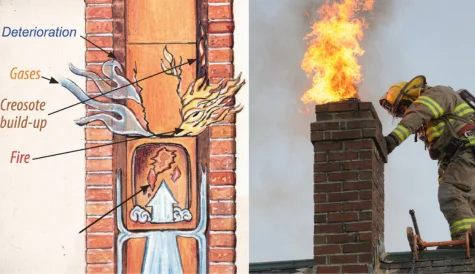
I’m talking creosote buildup, soot clogging things up, and even full-blown chimney fires.
I’ve been dealing with chimney maintenance for years here in Sydney, from the Eastern Suburbs to the Northern Beaches. Keeping your flue liner clean isn’t just being house-proud – it’s absolutely essential, especially with our bushfire season and those sudden cold snaps.
In this straight-shooting guide, I’ll walk you through how to clean a chimney flue yourself – proper DIY style if you’re handy, or when it’s smarter to call in a professional chimney sweep. We’ll cover everything from the right chimney brush to use, safety tips that actually matter, and Sydney-specific advice for our unique climate.
No marketing waffle, just practical advice from someone who’s done the dirty work more times than I can count.
Why Chimney Flue Cleaning Matters for Sydney Homes

Look, nobody wants to think about chimney fires or carbon monoxide while they’re enjoying a cosy winter evening, but that’s exactly why regular flue cleaning matters – it stops dangerous creosote buildup before it becomes a real problem.
Even though Sydney’s winters are pretty mild compared to down south, our damp weather and bushfire regulations mean you can’t skip this one if you want to keep your family safe and your insurance company happy.
1. The Hidden Dangers Lurking in Your Flue
Living in Sydney, we don’t cop the brutal winters they get down in Tasmania, but when that southerly buster comes through, everyone’s got the fire roaring. That’s when creosote buildup becomes a real problem.
Creosote is that sticky, tar-like substance that forms when wood smoke cools inside your flue pipe. It starts as a flaky brown deposit, then hardens into a shiny, glazed coating that’s incredibly flammable.
2. How Creosote Creates Fire Hazards
The scary bit? That glazed creosote can ignite at temperatures you’d easily reach in a normal fire. When it catches, you’ve got what’s called a chimney fire – roaring sound, flames shooting out the top of the chimney stack, intense heat cracking the flue tiles.
I’ve seen the aftermath. Not something you want happening while your family’s having dinner.
3. Real Safety Statistics
According to NSW Fire and Rescue, unclean chimneys and wood heaters cause hundreds of house fires across Australia every year. Many could’ve been prevented with basic flue maintenance.
A blocked or dirty smoke chamber can also push carbon monoxide back into your home instead of venting it safely. You can’t see it, can’t smell it – but it’ll make you seriously crook or worse.
Regular chimney servicing keeps your heating efficient and meets Australian chimney standards, keeping your home insurance valid too.
Signs Your Chimney Flue Needs Cleaning
1. Smoke Coming Back Into Your Room
If smoke entering room instead of going straight up the chimney, you’ve got a draft problem. Usually means flue obstruction from buildup or blockages.
This isn’t just annoying – it’s dangerous. That smoke contains nasty particles and gases that shouldn’t be in your breathing space.
2. Strange and Unpleasant Odours
Strong odours from chimney that smell like burnt tar or creosote? That’s tar deposits baking onto your flue liner.
In summer when it’s humid, you might notice it more. The smell gets into curtains, carpets – everything.
3. Your Fire Won’t Draw Properly
Reduced draft is a classic sign. Your fire struggles to light, keeps going out, or produces way more smoke than heat.
The damper might be working fine, but if the flue’s choked with gunk, air can’t flow.
4. Visible Soot and Debris
Check around your firebox and inside the smoke chamber if you can reach it safely. Black, flaky soot everywhere? Time for action.
You might also see bits of leaves, sticks, or even find evidence of bird nests in chimney. Happened to a mate in Pymble – Indian Mynas built a whole apartment block in there.
5. The Visual Inspection Test
Grab a torch and look up from the firebox (when it’s completely cold, obviously). If you can see more than an eighth of an inch of buildup, you’re overdue.
Creosote levels are rated stage 1 to 3. Stage 1 is flaky and brushes off easy. Stage 3 is that shiny, hard glaze – proper nasty stuff.
When’s the Right Time to Clean Your Chimney Flue in Sydney
1. How Often Should You Actually Clean It?
The standard answer is annual chimney cleaning, but that depends on how much you use your fire. If you’re burning daily through winter, twice a year’s smarter.
How often to clean chimney flue also depends on what wood you’re burning. Soft woods like pine create more creosote than hardwoods.
2. Best Seasons for Chimney Maintenance
Chimney cleaning season in Sydney? I reckon late autumn or early spring works best. You want to clean before winter chimney preparation kicks in properly.
Doing it in March or April means you’re cleaning out last winter’s mess and getting ready for the next cold snap.
3. Sydney’s Climate Considerations
Sydney’s mild climate is actually a bit sneaky. Because we don’t freeze our bits off for months on end, people reckon they can skip maintenance.
Wrong. Our Sydney climate chimney needs just as much care. Those damp southerlies we get can make creosote stickier, and our bushfire season means keeping everything clear and compliant.
4. Planning Around Bushfire Season
Sydney bushfire season chimney prep means getting your flue spotless before November. A clean chimney with proper chimney cap and spark arrestor reduces ember attack risks.
Fair dinkum, it’s about being a good neighbour too. Nobody wants your chimney chucking sparks around during a total fire ban.
Essential Tools and Equipment for DIY Chimney Flue Cleaning
1. The Must-Have Chimney Brush
Your chimney brush is the workhorse. You need the right size – measure your flue diameter first. Most Sydney homes have 5 to 8-inch flues.
Wire chimney brush works brilliant for heavy creosote removal and tar deposits. For lighter maintenance or if you’ve got a stainless steel liner, a poly chimney brush is gentler.
2. Flexible Chimney Cleaning Rods
You’ll need flexible chimney rods to reach from bottom to top or vice versa. Get a set that’s at least 6 to 10 metres – nylon or fibreglass ones are tough and bendy.
These screw together, letting you extend as you push the flue brush through.
3. Protective Gear You Actually Need
Don’t be a hero – protective goggles and a proper dust mask (P2 respirator minimum) are non-negotiable. Chimney soot is filthy stuff, full of nasty particles.
Long sleeves, old clothes you don’t mind wrecking, and solid gloves too.
4. Drop Cloths and Vacuum Equipment
Drop cloth or heavy-duty plastic sheeting everywhere. Tape plastic sheets over the fireplace opening to seal it when you’re working from the roof.
A decent vacuum for chimney cleaning – shop vac with a fine filter works a treat. Regular house vacuums will clog and die a horrible death.
Critical Safety Precautions Before You Start
1. Protecting Yourself Properly
Chimney cleaning safety precautions start with you. Don’t skip the PPE. I’ve seen blokes think they’re tough, then spend three days with streaming eyes and a hacking cough.
Respirator, goggles, gloves, long sleeves. If you’re on the roof, proper footwear with grip.
2. Sealing Off Your Living Space
Sealing fireplace opening with plastic and duct tape is crucial. When you start scrubbing from above, soot’s going to fall like volcanic ash.
Open windows in other rooms for proper ventilation, but keep the fireplace area contained.
3. Roof Safety Considerations
Working on the roof? Only do it if you’re comfortable with heights and the weather’s perfect. No wind, no rain, no dew making tiles slippery.
Get a decent ladder, have someone hold it, and maybe use a safety harness if your roof’s steep.
4. Fire Hazards to Check First
Never, ever clean when there’s been a recent fire. Wait at least 48 hours, check for hot spots. Chimney fire hazard includes hot ash hiding in crevices.
Have a fire extinguisher nearby – not for the soot, but just in case you disturb something still smouldering.
Step-by-Step Guide to Clean a Chimney Flue Like a Pro
A. Preparation and Setup
First up, move furniture away from the fireplace. Lay down your drop cloths generously.
Remove the fireplace grate, sweep out any ash or debris, and close the damper. Have all your tools ready and within reach.
B. Top-Down Cleaning Approach
1. Getting Roof Access Safely
How to clean chimney flue from top starts with safe roof access. Use a sturdy extension ladder. Have someone foot the ladder.
Once up, walk carefully to the chimney. Our Sydney terracotta tiles can be slippery, especially in the morning.
2. Removing the Chimney Cap
Your chimney cap or chimney pot might be held by screws or just sitting there. Remove it carefully and set aside somewhere it won’t roll off the roof.
Check inside for bird nests chimney issues or other debris in flue. Pull out any obvious blockages by hand first.
3. The Actual Scrubbing Process
Attach your chimney sweep brush to the first rod section. Lower it gently into the flue opening.
Push the brush down while rotating clockwise. You’ll feel resistance from creosote buildup. Add rod sections as you go deeper. Keep pushing and rotating.
Go all the way down to the smoke chamber and firebox. Do at least three full passes, more if it’s really grotty.
4. Bottom Collection
Once done from the top, head down carefully. Open your sealed fireplace area and you’ll see a pile of soot.
Vacuum debris carefully – don’t stir it up. Check the flue liner with your torch for any missed spots or damage.
C. Bottom-Up Cleaning Approach
1. When to Use This Method
How to clean chimney flue from bottom works brilliantly if roof access is dodgy or you’ve got a single-story place with good interior access.
Also good for metal chimney flue or stainless steel flue systems where you can see up easily.
2. Working the Brush Upward
Insert your flue brush attached to rods from the firebox. Push up while rotating vigorously.
This is more of a workout than top-down, no lies. But effective for soot removal and lighter creosote.
3. Using Power Tools Safely
How to clean chimney flue with drill works here. Attach your rotary brush to a drill on low speed.
Guide it up gently – the spinning does the work. Great for stubborn creosote removal but watch you don’t gouge the liner.
Cleaning Different Chimney Types
- Wood-burning fireplace chimney systems are the most common in Sydney. Standard brick and mortar with clay flue tiles handle wire brushes well.
- Gas fireplace flue cleaning is lighter work usually. Less creosote, but you still get carbon deposits and dust. Use a poly brush to avoid scratching.
- Wood stove flue cleaning and slow-combustion heaters need regular attention. These burn slower and cooler, making more creosote.
Post-Cleaning Inspection and Maintenance
1. Thorough Visual Inspection
Post-cleaning inspection means getting your torch and having a good look. Check the flue liner for cracks, missing mortar, or damage.
From the firebox, look up for light coming through. From the roof, look down for clear passage.
2. Testing the Draft
Burn some newspaper to test your draft. Smoke should go straight up, strong and steady.
Poor draft after cleaning? Check the damper opens fully and the chimney cap isn’t blocking airflow.
3. Cleaning Up Properly
Cleaning up after chimney sweep work is half the job. Vacuum everything twice. Disposing chimney soot – double-bag it and bin it. Don’t compost it or spread it around; it’s got nasties in it.
DIY Chimney Cleaning vs Hiring a Professional
1. When DIY Makes Perfect Sense
Can you clean chimney flue yourself? Absolutely, if you’re confident working on roofs and have basic handy skills.
For standard single-story homes with straight flues and regular maintenance, DIY’s fine.
2. Situations That Need a Professional
Professional chimney sweep Sydney services are worth calling when you’ve got creosote level 3 glazing, three-story homes or difficult roof access, structural damage suspected, or you’ve never cleaned it before.
What Pros Bring to the Table
Certified chimney sweep mob have commercial vacuum systems that contain every speck of soot. Cameras to inspect inside the flue without demolishing anything.
Insurance coverage, proper safety gear, and experience spotting problems before they become disasters.
Sydney-Specific Regulations and Compliance
1. Understanding NSW Requirements
NSW chimney regulations fall under building codes and environmental protection acts. Fair Trading NSW oversees chimney installer licensing.
Sydney council chimney requirements vary by area. Some suburbs have smoke-control zones where only certain heaters are allowed. Inner West and North Sydney councils are particularly strict.
2. Bushfire Zone Considerations
Sydney bushfire season chimney requirements in bushfire-prone areas include spark arrestors and specific clearances.
The Blue Mountains, Hornsby, and parts of the Northern Beaches have strict rules. Check your Bush Fire Attack Level (BAL) rating.
4. Insurance Implications
Home insurance often requires regular chimney maintenance to remain valid for fire claims.
Keep receipts, photos, or records of your cleaning. Insurance companies love paperwork when you don’t need them, and demand it when you do.
Common Mistakes Sydney Homeowners Make
1. Skipping Safety Gear
I’ve seen it heaps – “she’ll be right” attitudes toward PPE. Then they’re hacking and wheezing for days.
Dust mask minimum, preferably a proper respirator. Your lungs will thank you at 70.
2. Using the Wrong Brush Size
What size brush for chimney matters. Too small doesn’t clean properly; too big gets stuck.
Measure your flue diameter accurately. Most places sell brushes from 4 to 10 inches.
3. Cleaning Too Infrequently
How often clean chimney flue isn’t optional. Annual minimum, more if you’re heavy users.
“I’ll do it next year” turns into chimney fires or expensive professional cleanouts when it’s totally clogged.
Keeping Your Chimney Clean Between Major Cleanings
1. Choosing the Right Firewood
Dry hardwood’s your mate. Ironbark, red gum, even well-seasoned eucalyptus burns hot with less creosote.
Avoid pine and soft woods – they’re creosote factories. Never burn treated timber or rubbish.
2. Proper Fire-Building Techniques
Hot, fast fires produce less creosote than slow, smouldering ones. Get it roaring properly rather than choking it back all evening.
Good draft and oxygen flow keeps things clean-burning.
3. Monthly Quick Checks
Once a month, have a quick squiz up the flue with a torch. Check the firebox for buildup.
Sweep out ash regularly – don’t let it pile up and restrict airflow.
4. Using Chimney Cleaning Logs
Do chimney cleaning logs really work? Bit of yes, bit of no. They reduce creosote slightly but don’t replace proper chimney sweeping.
Think of them like flossing between dentist visits – helps, but doesn’t replace the real clean.
Frequently Asked Questions Chimney Flue Cleaning
1. What is the best way to clean a chimney flue?
Best way to clean chimney flue is top-down with proper brushes and rods for the most thorough result. Combines mechanical scrubbing with gravity helping debris fall to the firebox.
2. Can I clean my own chimney flue safely?
Yes, if you’re comfortable with DIY, have the right gear, and your chimney’s reasonably straightforward. Safety gear and taking your time are essential.
3. How often should it be cleaned in Sydney?
Annual minimum for regular users. Twice yearly if you’re burning fires daily through winter. Chimney cleaning season ideally before and after heavy use periods.
4. What happens if you never clean it?
Creosote builds up, draft reduces, efficiency plummets, and eventually you risk chimney fires. Carbon monoxide poisoning from blocked flues is also a real danger.
5. Can a dirty chimney cause fires?
Absolutely. It’s one of the leading causes of house fires in Australia. Creosote ignites at surprisingly low temperatures.
6. What tools do I actually need?
Basic kit includes chimney brush (right size), flexible rods, vacuum or buckets, drop cloths, and safety gear (goggles, respirator, gloves).
7. How do I know when it needs cleaning?
Watch for smoke entering the room, poor draft, strong smoky smells, visible soot buildup, and reduced fire performance.
Conclusion
Whether you tackle it yourself or bring in the professionals, the important thing is getting it done. Our Sydney winters might be mild compared to some places, but a clean, safe chimney makes all the difference between a cosy evening by the fire and a potential disaster.
Don’t put it off – your family’s safety and your home’s protection depend on it. Stay safe, burn clean, and enjoy those fires responsibly!
