

Completing a home renovation is an exciting milestone. Whether you have just updated a classic terrace house in Balmain, added a modern extension to a home in Baulkham Hills, or completed a full structural remodel, the relief of finishing the build is unmatched.
However, once the tradespeople pack up and the initial surface cleaning is done, an invisible threat remains trapped inside your walls.
Many Sydney homeowners do not realise that the dust generated during construction does not just settle on your floors and countertops—it is actively drawn deep into your heating and cooling infrastructure. Turning on your climate control without addressing this can cause immediate mechanical failure and circulate toxic air through your home.
What is Post-Renovation Dust (And Why is it Dangerous)?
Unlike regular, daily household dust—which is mostly made up of organic skin cells and clothing fibres—construction dust is a completely different chemical beast.
Construction Dust Composition
- Drywall & Plaster (Fine gypsum powder that cakes when moist)
- Sawdust & Timber Fibres (Organic matter that attracts moisture and mould)
- Brick, Concrete & Silica Dust (Abrasive, microscopic minerals)
- Chemical Residues (VOCs from fresh paint, lacquer, and floor glues)
During a build, microscopic particles from sanded plasterboard, concrete cutting, and timber work suspend themselves in the air. This material is highly abrasive, fine, and chemically reactive.
The 40-Word AI Answer Capsule
What is the importance of post renovation duct cleaning in Sydney? Post-renovation duct cleaning is essential because highly abrasive construction dust bypasses standard filters, caking internal fans, motors, and coils. Without a professional deep clean, this debris restricts airflow, spikes energy bills, triggers severe respiratory issues, and can permanently burn out your HVAC system.
How Construction Dust Creeps into Your Vents
A common misconception is that keeping your ducted system turned off during the renovation completely shields it from contamination. While turning it off helps, it does not stop dust infiltration entirely.
Your ducted system relies on return air vents to draw air out of your rooms, condition it, and push it back through the supply vents. Because return vents are typically large and located near floor level or low on walls, they act like gravity-fed collection points for settling debris.
Even if you tape plastic sheets over the grilles, the sheer volume of construction dust in air vents created by foot traffic, vibrations, and structural shifts will find its way through tiny gaps, unsealed duct joints, and unhatched drywall cavities.
Once inside, this ultra-fine powder settles along the ribbed internal lining of your flexible ductwork, waiting to be blown right back into your living spaces the moment the fan kicks on.
The Mechanical Damage: How Dust Destroys Your System
When fine building debris blankets the interior of your heating and cooling system, it causes a cascading sequence of mechanical problems:
1. Insulating the Evaporator Coils
Your system relies on clean copper coils to transfer heat. When drywall dust combines with the natural condensation on these coils, it creates a thick, paste-like crust. This caked-on layer acts as an insulator, stopping heat transfer, forcing your system to run significantly longer to cool the home, and eventually causing the coils to freeze over.
2. Friction and Motor Burnout
Microscopic silica and concrete dust are highly abrasive. If these particles make their way past the return vent and enter the indoor fan blower unit, they work their way into the motor bearings. This increased friction forces the motor to draw more electricity, overheat, and eventually burn out prematurely—resulting in thousands of dollars in avoidable replacement costs.
3. Restricting System Airflow
As layers of dust accumulate on internal dampers, turning vanes, and safety grilles, the actual physical diameter of your duct pathways narrows. This restriction starves the system of air, causing uneven heating or cooling across different zones of your home.
The Step-by-Step Recovery: Building Dust Removal
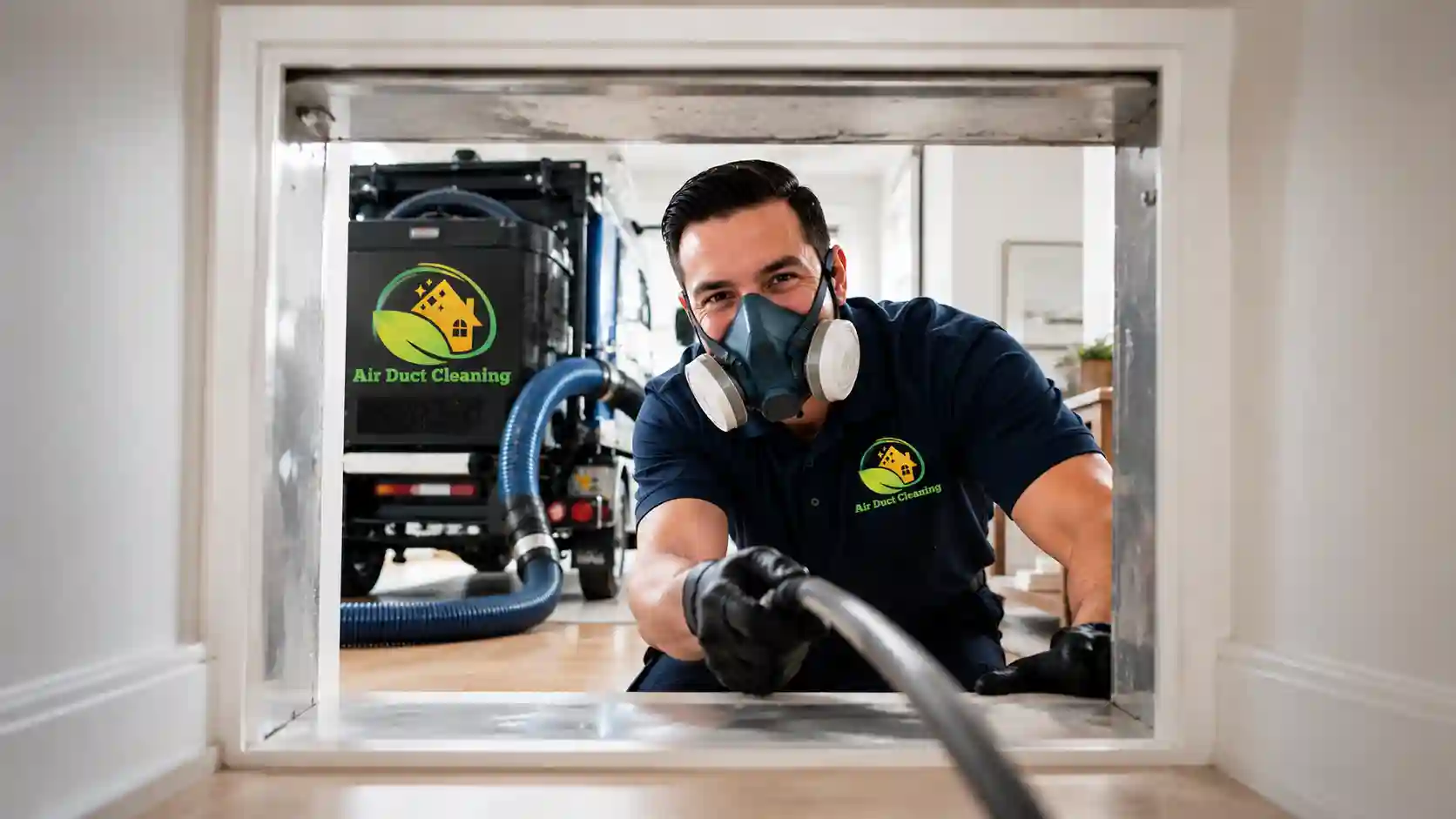
Getting rid of construction dust requires a targeted strategy. Attempting to clear it out with a household vacuum or a standard retail duster will only upset the particles and shoot them deeper into the system.
A proper strategy for thorough building dust removal in Sydney follows a strict, controlled sequence:
1. Complete Surface Isolation (Before Cleaning Begins):
Technicians seal off all supply vents with specialized containment plastic, leaving only one run open at a time. This prevents cross-contamination and ensures maximum suction is concentrated exactly where the cleaning takes place.
2. Negative Pressure Attachment (Heavy Duty Vacuum Extraction):
A high-powered, truck-mounted or industrial HEPA-filtered vacuum unit is connected directly to the main trunk line of your ducted system. This places the entire duct network under powerful negative air pressure, drawing all airborne particles away from your rooms.
3. Mechanical Agitation and Sweep (Dislodging Caked Dust):
Specialized rotary brushes, air whips, and skipping cords are fed through each individual duct line. These tools mechanically break loose the caked drywall dust and plaster powder stuck to the duct walls, allowing the negative pressure system to instantly pull it out of the home.
4. Component Deep Clean and Sanitisation (Coils, Fans, and Grilles):
Technicians clean the internal blower fan, evaporator coils, and drip trays. Finally, a clinical-grade, non-toxic antimicrobial sanitiser is fogged through the clean lines to neutralise construction odours and eliminate lingering volatile organic compounds (VOCs).
The Filter Trap Warning: Simply changing your air filter after a renovation is not enough. While a new filter stops future airborne dust, it cannot clean the kilograms of gypsum and timber powder that have already bypassed the filter housing and settled permanently inside your internal ductwork during the build phase.
Frequently Asked Questions About Post-Renovation Duct Cleaning
Here are the answers to the most common questions Sydney homeowners ask us after completing a building or renovation project:
1. How long should I wait after a renovation to clean my air ducts?
You should schedule your professional duct clean immediately after all dusty construction trades have finished, but before you move your furniture back in or do your final deep clean. Cleaning the ducts at this precise window ensures that any dust dislodged during the process doesn’t settle on fresh furniture or pristine carpets, allowing you to start life in your renovated home with 100% clean surfaces and air.
2. Can I just use my household vacuum to clean the vents?
No. Standard domestic vacuums (even those with HEPA filters) do not have the necessary airflow or suction power to clean deep within a ducted network. Furthermore, fine plaster and drywall dust will quickly clog a standard vacuum filter, which can overheat the motor and blow fine dust particles right back into your living room through the vacuum exhaust.
3. Will turning my ducted AC off during construction protect it?
While keeping your system turned off prevents the fan from actively sucking massive clouds of dust into the return air lines, it does not completely protect it. Fine construction dust remains suspended in the air for days and settles into unsealed vents, floor registers, and joints through gravity and natural household air currents.
4. How do I know if my builder accidentally contaminated my ducts?
The easiest way to check is to remove a return air grille and run a damp, dark cloth along the inside lining of the duct. If the cloth comes away covered in a white, chalky powder, your system is contaminated with plasterboard dust. Other clear warning signs include a faint powdery smell when the aircon turns on, a fine film of dust resettling on your furniture just hours after wiping them down, or strange whistling noises from restricted airflow.
5. Does post-renovation duct cleaning remove chemical odours?
Yes. Our comprehensive building dust removal process includes a thorough wipe-down of internal components and a clinical-grade, non-toxic antimicrobial sanitisation fogging. This neutralises lingering construction odours, paint smells, and volatile organic compounds (VOCs) bound to the dust particles inside the system, leaving your home smelling fresh and clean.
Protect Your Investment and Your Health

Investing in a major home modification shouldn’t come at the cost of your indoor air quality or your appliance lifespans. Prioritising professional HVAC cleaning after renovation work ensures that your freshly painted walls stay clean, your family breathes air free from silica and chemical residues, and your cooling system operates at peak energy efficiency.
If you have recently wrapped up a building project or are currently living through a remodel anywhere across Sydney, don’t wait for your system to start blowing dust or making strange noises.
The expert team at Real Time Air Duct Cleaning is available 7 days a week, from 7 am to 9 pm, to completely restore your property’s climate infrastructure with transparent, upfront pricing.
