
Most Sydney homeowners think about their air conditioner when it stops cooling properly or when the electricity bill spikes unexpectedly. What far fewer people think about is what a dirty AC unit is quietly doing to the air their family breathes every single day.
The truth is a neglected air conditioner does not just run less efficiently. It becomes a breeding ground for mould, bacteria, dust mites, and airborne pollutants that circulate directly into your home with every cycle.
In Sydney’s humid climate — where air conditioners run hard through summer and often year-round for reverse cycle heating — the buildup happens faster than most people realise.
This guide covers the 7 most significant health problems caused by a dirty AC, what causes them, who is most at risk, and what you can do to protect your household right now.
Why a Dirty AC Unit Becomes a Health Hazard
Before we get into the specific conditions, it helps to understand what is actually happening inside a neglected air conditioning unit.
A dirty air conditioner can harbour bacteria and mould, particularly in the evaporator coil and drain pans where moisture accumulates.
When the AC system is in operation, these microorganisms are distributed through the air, increasing the risk of respiratory infections.
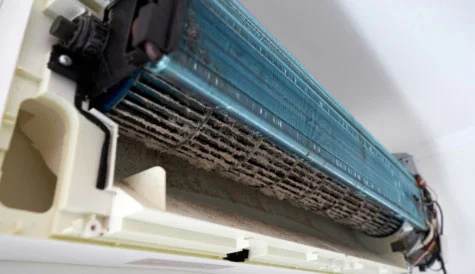
Every room your split system or ducted AC serves becomes a delivery point for whatever has built up inside the unit. In cities like Sydney, where air conditioners run for many months of the year due to humidity and heat, a dirty air conditioner filter is not just an inconvenience — it can affect your indoor air quality, aggravate allergies, trigger respiratory symptoms, and in some cases contribute to real health problems.

When an air filter gets clogged with dust and debris, the restricted airflow causes a buildup of moisture and bacteria growth.
The accumulated dirt also provides organic material for mould to thrive on, making regular cleaning and maintenance crucial to prevent mould growth in air conditioner systems.
Now let us look at exactly what that means for your health.
1. Respiratory Infections and Breathing Difficulties
How a Dirty AC Unit Affects Your Lungs
This is the most significant and well-documented dirty air conditioner health problem — and it affects people who have no pre-existing conditions, not just those with respiratory issues.
A dirty air conditioner can significantly impact your respiratory health. When an air conditioner is not properly cleaned, dust, pollen, and other allergens accumulate in the filters and ducts.
As the AC runs, these particles are circulated throughout your home, leading to respiratory issues.
Inhaling mould spores and bacteria can cause or exacerbate respiratory conditions such as asthma, bronchitis, and allergic rhinitis.
Who Is Most at Risk
People with compromised immune systems, the elderly, and young children are particularly at risk from mould spores released by a dirty AC unit. In Sydney households where the AC runs continuously from December through to March, the exposure accumulates over months — not just a single day.
2. Worsened Asthma Symptoms
Why Asthma Sufferers Need a Clean AC
For the many Australians living with asthma, a dirty AC unit is not just uncomfortable — it is a genuine trigger that can turn a manageable condition into a serious one.
People with asthma are particularly vulnerable to the effects of a dirty air conditioner. Common contaminants that can exacerbate asthma symptoms include dust mites, which thrive in dusty environments and can trigger asthma attacks; pollen, often drawn into AC units from outside, which can cause severe reactions; and pet dander, which can accumulate in air filters and worsen asthma symptoms.
The Sydney Pollen Problem
Sydney’s spring and summer seasons bring high pollen counts across the city — from the harbour to the western suburbs. Without a clean, well-functioning AC filter, that pollen is pulled directly into your system and redistributed inside your home.
For asthma sufferers in suburbs like Parramatta, Ryde, or the Hills District where grass and tree pollen loads are significant, this is a genuine seasonal health risk.
3. Allergic Reactions
Sneezing, Watery Eyes and Skin Rashes From Your AC
Even people without diagnosed asthma experience dirty AC health risks in the form of allergic reactions that seem to come and go without an obvious cause.
Mould and bacteria can trigger allergic reactions, resulting in symptoms like sneezing, coughing, watery eyes, and skin rashes.
If you or someone in your household has been experiencing unexplained sneezing fits, a constantly runny nose, itchy eyes, or skin flare-ups — and the symptoms seem worse at home than anywhere else — your air conditioning unit deserves serious attention.
Common Allergens in a Neglected AC Unit
- Mould spores circulating through the ductwork or split system
- Dust mites living in clogged filters
- Pollen trapped in the filter and redistributed with each cycle
- Pet dander accumulating in both the filter and the coil
4. Mould Exposure and Serious Lung Conditions
The Danger of Mould Inside Your Air Conditioner
A research study conducted in 2004 by the Institute of Medicine showed that prolonged mould exposure can cause persistent coughing and damage to the respiratory system, even if the individual has no history of such problems and is otherwise healthy. A persistent musty smell from your air conditioning system is a strong indicator of a mould infestation.
This odour can permeate your home when you leave the air conditioner running, and ignoring it can lead to more severe issues, including the spread of mould to other areas of your home and increased health risks for occupants. Why Sydney’s Climate Accelerates Mould Growth.
Moisture in AC systems increases the likelihood of mould in the air conditioner filter, which can release spores back into the air, aggravating allergies and respiratory symptoms. Sydney’s warm, humid summers create the perfect conditions for mould to establish itself inside split system coils, ducted air conditioning units, and anywhere condensation gathers without proper drainage.
If you notice a musty or stale smell when your AC turns on, that is almost certainly mould in your aircon — and it needs professional attention promptly.
5. Headaches and Persistent Fatigue
Poor Indoor Air Quality Can Drain Your Energy
This one surprises a lot of people. Headaches and unexplained tiredness are not always stress or poor sleep — sometimes they are a direct consequence of breathing poor-quality indoor air from a dirty AC unit.
Exposure to poor indoor air quality can lead to headaches and fatigue. Common culprits include volatile organic compounds (VOCs), which can be found in household products and can accumulate in your AC system, as well as carbon monoxide from a poorly maintained system.
Prolonged exposure to indoor air contaminated with mould and bacteria may lead to persistent headaches, fatigue, and overall discomfort. If you or your family regularly feel sluggish at home but feel better once you step outside or leave the house, it is worth checking your AC’s condition.
If your air filter is covered in dust and grime, air will not be able to flow through it properly. If you have to work harder to breathe quality air, you will feel more fatigued.
6. Skin Irritation and Eczema Flare-Ups
How Dirty AC Air Affects Your Skin
Most people connect air conditioning health problems with breathing — but skin is just as vulnerable to the airborne particles a dirty unit circulates.
As a result of airborne mould and mildew, skin conditions like eczema, rashes, and hives can be worsened.
Airborne particles can settle on skin and eyes.
Dirty air conditioner filters can contribute to dryness, redness, itching, or flakiness — especially if you spend long hours indoors.
This is particularly relevant for Sydney households that spend long periods indoors through summer with the AC running. Children and people with sensitive skin conditions are especially affected, and the connection is often missed because the cause is invisible.
7. Legionnaires’ Disease — The Rare but Serious Risk
The Most Dangerous Health Risk from a Neglected AC
Legionella bacteria commonly found in air conditioning systems, particularly in cooling towers, can multiply rapidly in stagnant water or poorly maintained units. When contaminated water droplets or aerosols are inhaled, they can cause Legionnaires’ disease, a serious type of pneumonia.
Symptoms include high fever, cough, and muscle aches. When your air conditioner becomes dirty and the filters are not changed often, they become a breeding ground for all kinds of bacteria and fungi.
When these microorganisms go airborne, they can lead to many breathing problems, including a potentially fatal infectious pneumonia or even Legionnaires’ disease, which comes from the Legionella pneumophila bacteria.
While Legionnaires’ disease is more commonly associated with large commercial cooling towers, poorly maintained residential systems — particularly ducted air conditioning units that have not been serviced in years — can harbour the bacteria in stagnant drain pans and condensate lines.
This is the clearest possible reason why regular professional AC cleaning in Sydney is not optional maintenance. It is a genuine health safeguard.
Who Is Most Vulnerable to Dirty AC Health Problems
Not everyone in a household is equally affected by a dirty air conditioner. The people most at risk are:

- Children — developing immune systems make them more susceptible to airborne contaminants and mould spores
- The elderly — reduced immune function means infections take hold more easily
- People with asthma or COPD — even small increases in allergen levels can trigger serious episodes
- Allergy sufferers — mould, pollen, and dust mites are all significant triggers
- Immunocompromised individuals — including those undergoing chemotherapy or managing chronic illness
For Sydney families in suburban homes where the AC runs for six months or more each year, these are not theoretical risks. They are real health concerns that a clean, well-maintained air conditioning system directly prevents.
Signs Your AC Unit Might Be Affecting Your Family’s Health
Watch for these warning signs that your dirty AC unit is already having an impact.
- A musty or stale smell every time the AC turns on
- Family members experiencing more frequent colds, sneezing, or sore throats at home
- Worsening asthma or allergy symptoms that improve when away from home
- Persistent headaches or fatigue that seem to ease when you are outdoors
- Skin redness, dryness, or itching without an obvious cause
- Visible dust or dark marks around ceiling vents or split system grilles
- Reduced airflow from vents compared to when the system was new
If any of these sound familiar, the connection to your air conditioning unit is worth investigating seriously.
What You Can Do Right Now
Clean or Replace Your Filter Immediately
Check monthly, clean or replace your filter every one to three months. Ducted systems should be professionally cleaned every two to three years.
For split systems in Sydney homes, aim for a professional clean at least once a year, ideally in spring before summer heat arrives.
Book a Professional AC Service
Basic filter rinsing helps but does not address what is happening inside the unit. Schedule professional duct cleaning to remove dirt, mould, and more from your ductwork.
A trusted technician can spot potential problems early, keep your system clean, and prevent bigger air quality issues.
Only a professional can safely clean the evaporator coil, flush the condensate drain, treat mould on internal components, and verify the system is actually distributing clean air. In Sydney’s humid climate, annual professional servicing is the standard for good reason.
Frequently Asked Question About Dirty AC Unit Health Risks in Sydney
1. Can a dirty AC unit really make you sick?
Yes. Poor indoor air quality from a dirty AC unit can contribute to respiratory symptoms, allergies, headaches, fatigue, and irritation. In Sydney homes where the system runs for months at a time, the effects accumulate significantly over a season.
2. Why does my AC smell musty?
A persistent musty smell from your air conditioning system is a strong indicator of a mould infestation. The odour is caused by mould growing on the evaporator coil, in the drain pan, or inside the ductwork.
It requires professional cleaning — a filter rinse will not resolve it.
3. Is mould in an air conditioner dangerous?
Yes. Prolonged mould exposure can cause persistent coughing and damage to the respiratory system, even in individuals with no history of respiratory problems.
Children and immunocompromised individuals face the highest risk.
4. How often should I clean my AC in Sydney?
Most Sydney HVAC professionals recommend a filter clean every one to three months and a professional full service at least once a year. Homes near the coast, with pets, or running the system year-round should service more frequently.
5. Can dirty AC air cause skin problems?
Airborne mould and mildew can worsen skin conditions like eczema, rashes, and hives. People with sensitive skin who spend extended time in an air-conditioned environment should take dirty AC health risks seriously.
6. What is the most serious health risk from a dirty AC?
Legionnaires’ disease — caused by Legionella bacteria growing in poorly maintained units — is the most severe potential outcome. While rare in residential settings, certain bacteria such as Legionella can cause severe respiratory infections that can be life-threatening, especially for vulnerable individuals.
Regular professional servicing is the most effective prevention.
Conclusion
Your air conditioner is supposed to make your home more comfortable and livable — not less. But a dirty AC unit reverses that entirely, circulating mould, bacteria, allergens, and pollutants into the air your family breathes every day.
In Sydney’s humid climate, where systems run hard through long summers and increasingly year-round, the health risks from a neglected air conditioner are not theoretical. They are real, documented, and entirely preventable.
Clean your filter regularly. Book a professional service annually.
And if your family has been experiencing unexplained respiratory issues, fatigue, skin irritation, or frequent illness at home — check the AC first. The answer might be sitting right there on your wall.
