
Most people who walk through Sydney’s CBD every day have no idea they’re passing dozens of cooling towers on rooftops above them — and those towers, if poorly maintained, can turn dangerous very quickly.
In April 2025, a single contaminated cooling tower in Sydney’s CBD caused fourteen confirmed cases of Legionnaires disease. Nearly every person affected ended up in hospital.
One person died. Then in late December 2025, another cluster emerged near Clarence Street — more hospitalisations, more urgent investigations, another field team of environmental health officers deployed across the city.
This isn’t ancient history. It’s happening in Sydney right now.
So if you work in the CBD, spend time in large commercial buildings, or simply want to understand what the risk actually is — this guide explains everything clearly, without the medical jargon.
What Is Legionnaires Disease?
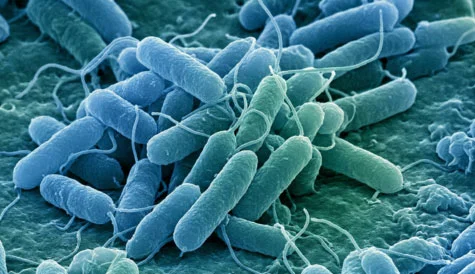
Legionnaires disease is a severe, potentially fatal form of pneumonia caused by a bacterium called Legionella pneumophila.
It was first identified in 1976 after an outbreak at an American Legion convention in Philadelphia — which is where the name comes from. Since then, it has been recognised as a serious public health concern across Australia.
Nationally, roughly 400 cases are reported every year, and NSW consistently accounts for a large proportion of those — largely because of Sydney’s density of large commercial buildings with water-based cooling systems.
Is Legionnaires Disease Contagious?
No — and this is something worth knowing clearly.
Legionnaires disease cannot spread from person to person. You cannot catch it by being near someone who has it, by touching an infected surface, or by sharing a space with someone who is sick.
The only way to contract it is by inhaling tiny contaminated water droplets — aerosols — that carry the bacteria directly into the lungs.
That distinction matters because it means prevention is entirely about controlling the water systems where Legionella grows, not about avoiding people.
What Is Pontiac Fever?
Legionella bacteria also cause a milder illness called Pontiac fever.
Pontiac fever produces flu-like symptoms — fever, muscle aches, fatigue, headache — but without progressing to pneumonia. It typically clears on its own within a few days without any specific treatment.
Most people who develop it don’t even realise what caused it.
The same bacteria. Very different outcomes.
How Air Conditioning Systems Cause Legionnaires Disease
Here’s where most people get confused — and it’s worth clearing up straight away.
When people picture air conditioning, they think of the split system on their lounge room wall or the ducted system pushing cool air through ceiling vents. Those units don’t pose a Legionella risk.
They use refrigerant to move heat, not water. There’s no water reservoir, no aerosol mist, nothing for Legionella to grow in.
The real danger comes from a completely different type of system.
The Primary Culprit — Commercial Cooling Towers
Large commercial buildings — offices, hotels, hospitals, shopping centres, and high-rise apartments across Sydney — use water-based cooling towers as part of their HVAC infrastructure.
These towers work by circulating warm water through an open system where it evaporates, releasing heat from the building. As the water evaporates, the tower produces fine water droplets — aerosols — that drift into the surrounding air.
When the system is properly maintained, this is safe. When it isn’t, those aerosols carry Legionella bacteria into the air that people breathe on the street, in nearby buildings, and in surrounding areas.
Why Cooling Towers Are the Perfect Legionella Breeding Ground
Legionella doesn’t just randomly appear. It needs specific conditions to multiply to dangerous levels.
- The temperature danger zone
- Legionella grows fastest in water temperatures between 25°C and 45°C. Sydney’s summers regularly push poorly maintained cooling tower water right into that range — and it stays there for months.
- Stagnant or slow-moving water
- When water sits still, bacteria multiply. Systems that aren’t running continuously, or where circulation slows, create exactly the conditions Legionella needs.
- Sediment, sludge and biofilm
- Organic material inside a poorly maintained tower gives bacteria nutrients to feed on. Biofilm — the slimy layer that forms on surfaces inside the tower — is essentially a Legionella hotel.
- Absence of adequate biocide treatment
- Without regular chemical disinfection on schedule, nothing kills the bacteria. Miss a treatment, and populations can explode within days.
When all four of these conditions come together — which they do in neglected systems — the result is a contaminated tower capable of causing a community outbreak. That’s precisely what happened in Sydney in April 2025.
What About Home Air Conditioners?
This is the question most homeowners ask first, and the answer is reassuring.
Split Systems and Ducted Reverse Cycle Units
Standard home split systems and ducted refrigerated air conditioners do not carry a Legionella risk. However, keeping your split system clean significantly improves indoor air quality — book our professional split system cleaning service for a healthier home environment. They use refrigerant gas to cool air — there’s no water component involved.
NSW Health confirms that domestic refrigerated air conditioners do not harbour Legionella bacteria.
Evaporative Air Conditioners
Home evaporative coolers do use water in their cooling process, which means they require more attention than a refrigerated unit.
However, according to Victorian Health guidelines, evaporative coolers have not been conclusively linked to Legionnaires disease cases when basic maintenance is followed. The risk profile is substantially lower than commercial cooling towers — but that doesn’t mean you can ignore maintenance entirely.
Other Water-Based Sources in Sydney Homes and Buildings
Legionella can also grow in:
- Hot water systems where water sits below 60°C
- Showerheads and tap fittings with infrequent use
- Ornamental fountains and water features
- Whirlpool spas and hot tubs with poor maintenance
- Potting mix and compost (Legionella longbeachae strain)
Symptoms of Legionnaires Disease From AC Exposure
Recognising the symptoms early is genuinely life-saving. The sooner Legionnaires disease is diagnosed and treated, the better the outcome.
Symptoms typically appear between two and ten days after exposure to contaminated aerosols — though five to six days is most common. The disease often starts feeling like a bad flu and then deteriorates fast.
Early Stage Symptoms
These are the warning signs that tend to appear first:
- High fever — commonly above 40°C, accompanied by severe chills
- Dry cough — persistent, can progress to produce phlegm or, in some cases, blood
- Shortness of breath — difficulty breathing that worsens over hours
- Severe muscle aches and joint pain throughout the body
- Intense headache that doesn’t respond to standard pain relief
- Extreme fatigue and lethargy — the kind that makes it difficult to get out of bed
Additional Symptoms That Can Develop
As the disease progresses, other symptoms often appear:
- Diarrhoea, nausea or vomiting — affects up to half of patients
- Abdominal pain and loss of appetite
- Confusion or disorientation — a sign the disease is progressing to a more serious stage
- Chest pain when breathing deeply
Severe Complications to Be Aware Of
Without early treatment, Legionnaires disease can progress to:
- Respiratory failure — the lungs become too damaged to work without support
- Kidney failure — severe infection overwhelms multiple organ systems
- Septic shock — the body’s response to severe infection becomes dangerous in itself
- Death — the overall mortality rate sits around 10%, but rises significantly in high-risk groups and when treatment is delayed
Legionnaires Disease vs Pontiac Fever — Comparison
| Feature | Legionnaires Disease | Pontiac Fever |
| Cause | Legionella pneumophila | Same bacteria |
| Severity | Serious — causes pneumonia | Mild — flu-like only |
| Pneumonia present | Yes | No |
| Symptom onset | 2–10 days | 24–72 hours |
| Hospitalisation | Usually required | Rarely needed |
| Treatment | Antibiotics — prescribed | Rest and fluids |
| Mortality risk | Around 10% | Very low |
| Recovery | Weeks, sometimes months | A few days |
When to Act Immediately
If you’ve spent time in Sydney’s CBD or near large commercial buildings in the past ten days, and you develop:
- Fever above 38°C with chills
- A cough that’s getting worse, not better
- Breathing difficulty or chest tightness
- Confusion or unusual mental fogginess
Go to an emergency department. Do not wait to see if it passes. Tell the doctor specifically that you may have been exposed to contaminated cooling tower aerosols — this will ensure they order the right tests, including the urinary antigen test for Legionella, which is not automatically run for all pneumonia cases.
Who Is Most at Risk of Legionnaires Disease in Sydney?
Anyone who inhales enough contaminated aerosol can contract Legionella infection — but not everyone faces the same level of risk.
High-Risk Groups
1. Age — 50 and Older
The vast majority of serious Legionnaires disease cases in Australian outbreaks occur in people over the age of 50. The immune system becomes less effective at fighting off new infections with age, which allows the bacteria to establish itself more readily.
2. Smokers and Former Smokers
Smoking causes structural damage to the airways and reduces the lungs’ ability to clear invading bacteria. Both current and former smokers face significantly elevated risk compared to non-smokers.
3. People With Chronic Lung Conditions
COPD, emphysema, asthma, and other respiratory diseases compromise the lungs’ natural defence mechanisms, making it much easier for Legionella to take hold.
4. Immunocompromised Individuals
This includes people managing:
- Cancer or undergoing chemotherapy
- Diabetes
- Kidney disease or kidney failure
- HIV
- Those taking corticosteroids or other immunosuppressant medications
5. People With Cardiovascular Disease
The physiological stress of severe pneumonia puts significant additional load on the heart. For anyone already managing heart disease, Legionnaires disease carries compounded risks.
Lower-Risk Groups
Healthy adults under 50 with no chronic conditions can also contract Legionnaires disease — but they are significantly more likely to experience milder illness and make a full recovery with prompt treatment.
Children rarely develop serious Legionnaires disease, though they should still be protected from exposure.
How to prevent Legionnaires Disease from Your AC
Prevention works on two levels — what the law requires building owners to do, and what individuals can do to protect themselves.
For Commercial Building Owners and Managers in Sydney
This is where legal responsibility sits — and it’s significant.
NSW Legal Requirements Under the Public Health Regulation 2022
In NSW, all cooling water systems must comply with AS/NZS 3666:3:2011 — the Australian standard for microbial control in air handling and water systems. The NSW Public Health Regulation 2022 sets out six key legal safeguards:
1. Risk Management Plan (RMP)
Every cooling tower must have a formal Risk Management Plan prepared by a competent person. This must be reviewed at least every five years, or sooner if conditions change significantly.
2. Annual Independent Audit
The RMP must be independently audited for compliance every year — not just reviewed internally. Building managers cannot audit their own systems.
3. Monthly Water Testing
Water must be tested monthly by a NATA-accredited laboratory for Legionella bacteria and Heterotrophic Colony Count (HCC). HCC levels of 100,000 colony-forming units per millilitre or above are unacceptable and require immediate corrective action.
4. Monthly Inspection and Cleaning
Physical inspection and cleaning must occur monthly — not when the system looks dirty, but on a fixed schedule regardless of apparent condition.
5. Drift Eliminators
Drift eliminators — which prevent contaminated water droplets from escaping into the air — must be correctly fitted, intact, and maintained at all times. A missing or damaged drift eliminator is a direct pathway for aerosol release.
6. Unique Identification Numbers
All cooling towers must be registered with the local council authority and display their unique identification number. This allows environmental health officers to trace systems rapidly during outbreak investigations.
Key Ongoing Maintenance Practices
Beyond the legal requirements, effective Legionella prevention depends on consistent operational habits:
- Biocide treatment on schedule — no exceptions, no delays. Missing a chemical treatment can allow bacterial populations to explode within days
- Keeping water temperature outside the 25°C–45°C danger zone wherever the system design allows
- Proper bleed-off rate — preventing the concentration of minerals, sediment and contaminants in recirculating water
- Biofilm management — regular physical cleaning to prevent the slimy biofilm layer where Legionella shelters from chemical treatment
- Accurate maintenance records — required by law, and essential for demonstrating compliance during audits
After Any Shutdown or Idle Period
This one is critical and commonly overlooked.
Any cooling tower system that has been inactive — even briefly — creates stagnant water conditions that are ideal for rapid Legionella growth. Before any shutdown system is restarted, it must be thoroughly cleaned and disinfected first.
This applies after:
- Seasonal shutdowns
- Building renovation or closure periods
- Extended public holidays
- Any unplanned downtime
For Sydney Homeowners With Evaporative Coolers
If you have an evaporative air conditioner at home, the maintenance steps are straightforward but important.
1. Before Summer — Preparation Checklist
- Disconnect power to the unit completely before touching anything
- Remove external covers and carefully inspect all filter pads
- Clean filter pads by hosing thoroughly with fresh water — replace them if they’re worn, cracked or holding residue that won’t wash out
- Scrub the sump and all internal waterways to remove built-up sediment and slime
- Disinfect the sump and internal surfaces with a chlorine-based biocide
- Refill with clean, fresh water before first use
2. During Summer — Ongoing Maintenance
- Ensure the bleed-off system is working correctly — this prevents contaminants from concentrating in the recirculating water
- For portable units, drain and clean the water tank at least once a week — more often during hot stretches.
- Check for any unusual smells, reduced airflow, or discolouration of water regularly
3. End of Summer — Shutdown Procedure
- Drain all water from the tank, sump and pipework completely
- Wipe down the tank interior and pump with a cloth soaked in chlorine-based disinfectant
- Dry all components thoroughly before storage
- Leave the drain cock open over winter to prevent stagnant water accumulation
- Fit external covers to protect from debris during the off-season
For Individuals — Personal Precautions in Sydney
There’s a limit to what any individual can do about commercial cooling towers — that responsibility sits with building owners. But there are some sensible steps worth taking:
- Know the warning signs — understand the symptoms and don’t dismiss severe flu-like illness as “just a cold,” particularly if you’ve been in the CBD recently
- Act quickly — early antibiotic treatment dramatically improves outcomes
- Tell your doctor about potential exposure — this triggers the right tests
- Reduce personal risk factors where possible — quit smoking, manage chronic conditions actively, and get regular health checks if you’re over 50
- Wear PPE if you work on or around cooling towers — P2/N95 masks are essential for maintenance workers during cleaning and servicing
What Sydney’s Authorities Are Doing About It
The 2025 outbreaks prompted a significant public health response from NSW Health and the City of Sydney.
The April 2025 Response
Following the cluster of fourteen cases in Sydney’s CBD, a field team of 21 environmental health officers physically inspected and collected water samples from every cooling tower in the priority investigation area.
Inspections ran from April 9 to April 17. All samples were tested at the Legionella Reference Laboratory at ICPMR, NSW Health Pathology, Westmead Hospital.
A single cooling tower was identified as the contaminated source. It was promptly decontaminated and remediated.
No further cases were linked to the outbreak once that tower was addressed.
The December 2025 Cluster
Just eight months later, a second cluster emerged near Clarence Street — four patients hospitalised in the weeks before Christmas, with symptom onsets between December 19 and 23.
NSW Health deployed another investigation team, notified building managers across the CBD, and conducted desktop and physical assessments of cooling towers in the area.
What These Outbreaks Tell Us
Three separate Legionella clusters hit Sydney in 2025. Each one was linked to cooling towers. Each one required hospitalisation of almost every person affected.
The pattern is not random — it reflects gaps in compliance, maintenance schedules being missed, or systems being allowed to sit idle longer than they should. NSW Health is clear: the Public Health Regulation 2022 exists precisely to prevent this.
When it’s followed properly, outbreaks don’t happen. When it isn’t, they do.
Frequently Asked Questions Legionnaires Disease In Aircon
1. Can air conditioning cause Legionnaires disease in Sydney?
Standard home split systems and ducted refrigerated air conditioners do not cause Legionnaires disease — they don’t use water. The risk comes from commercial cooling towers on large buildings across Sydney’s CBD, which circulate warm water and can produce contaminated aerosols if maintenance is neglected.
2. What should I do if I think I have Legionnaires disease?
Go to an emergency department immediately and tell the doctor you may have been exposed to contaminated cooling tower aerosols in Sydney’s CBD. This ensures they order the correct diagnostic tests, including the urinary antigen test specific to Legionella, and begin appropriate antibiotic treatment without delay.
Conclusion
Legionnaires disease isn’t something most Sydney residents think about until an outbreak makes the news. But three clusters in a single year — all in the same CBD corridor — is a clear signal that the risk is real and ongoing.
You don’t need to panic about walking through the city. The vast majority of people who encounter trace Legionella in the air never develop any illness at all.
But if you’re in a higher-risk group — over 50, a smoker, managing a chronic condition — it’s worth taking this seriously.
Know the symptoms. Act quickly if they appear. And keep your home’s air quality as clean as possible — our indoor air quality service helps Sydney homes breathe easier year-round.
Tell your doctor exactly where you’ve been.
And if you’re a building manager in Sydney with cooling towers on your roof — your maintenance schedule isn’t optional. It’s the law, and it’s the only thing standing between your tenants and the next outbreak.
